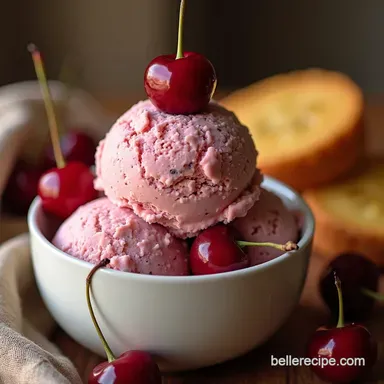
Properly Piquant Cherry Vanilla Bean Ice Cream Churned Perfection
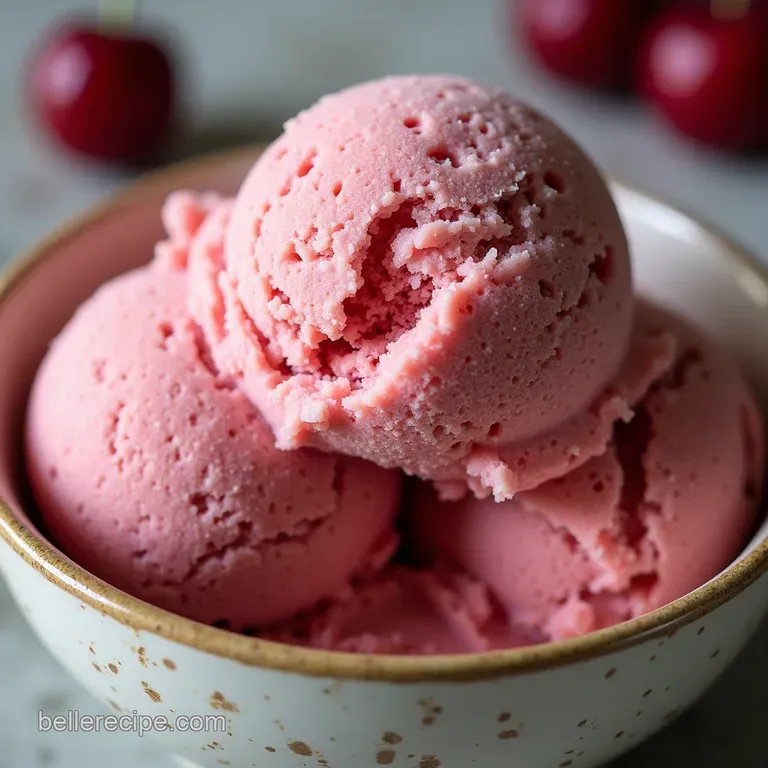
- Why This French-Style Cherry Ice Cream Reigns Supreme
- Embracing Summer Nostalgia in Every Scoop
- Gathering the Finest Components for Supreme Creaminess
- Crafting the Luxurious Custard Base (Crème Anglaise Method)
- The Crucial Chilling Phase and Churning Technique
- Troubleshooting and Enhancing Your Frozen Dessert
- Frequently Asked Questions
- 📝 Recipe Card
Why This French-Style Cherry Ice Cream Reigns Supreme
Forget those pale, overly sweet tubs that dominate the supermarket freezer aisle. We are embarking on the creation of truly magnificent cherry ice cream , the kind that tastes intensely of real fruit cradled in velvet-smooth cream.
This is not a quick-fix recipe; this is an exercise in decadent reward. We are focusing on a French-style, custard base, known affectionately as crème anglaise , because this technique yields the unparalleled richness and stability that defines premium frozen desserts.
The inclusion of egg yolks transforms simple dairy into something substantial, giving our homemade cherry ice cream the perfect mouthfeel, dense, luxurious, and slow to melt.
When you achieve that perfect balance between the deep sweetness of the cream and the bright tartness of perfectly cooked cherries, you’ll understand why this particular best cherry ice cream recipe will become your go-to summer staple.
Embracing Summer Nostalgia in Every Scoop
There’s a particular joy that comes with biting into high-quality cherry ice cream . It’s evocative, recalling sun-drenched afternoons and garden parties. This recipe aims to capture that essence without relying on artificial colouring or flavouring.
We start with rich dairy and high-quality fruit, treating them with respect to draw out maximum flavour. This careful approach elevates what could be a standard scoop into an experience worthy of celebratory occasions, perhaps even inspiring you to consider crafting a show-stopping cherry ice cream cake later in the season.
The Magic of a Rich Custard Base
The secret to a scoop that coats the palate beautifully lies squarely in the custard. By whisking egg yolks with sugar until they reach the ribbon stage before introducing warm milk and cream, we create an emulsion that traps air and fat molecules.
This emulsion prevents large ice crystals from forming during the freezing process, ensuring a silky, professional texture. This foundation is what separates true artisanal ice cream from its lighter, often icy cousins, guaranteeing a creaminess that lasts right down to the last spoonful.
Setting the Stage for Tart Fruit Perfection
While the base is rich, the fruit needs an edge to prevent the whole thing from tasting flat. We are treating our cherries, whether fresh or frozen, with a touch of sugar and lemon juice, heating them just enough to release their juices and soften them slightly.
This brief cooking time concentrates their natural flavour. We reserve most of the fruit, but use a small amount of the resulting syrup in the base to weave the flavour deeper into the cream matrix before churning.
A Celebration of Classic Cherry Ice Cream Flavor
The flavour profile here is sophisticated: primarily vanilla and cherry. We are using a generous amount of vanilla, either a scraped bean or high-quality extract, to provide a warm aromatic backdrop.
The tartness from the cherries cuts through the fat, making this easy cherry ice cream feel refreshing rather than heavy. If you are interested in variations beyond the classic, incorporating almond extract late in the process can introduce a beautiful complexity often found in high-end European frozen desserts.
Gathering the Finest Components for Supreme Creaminess
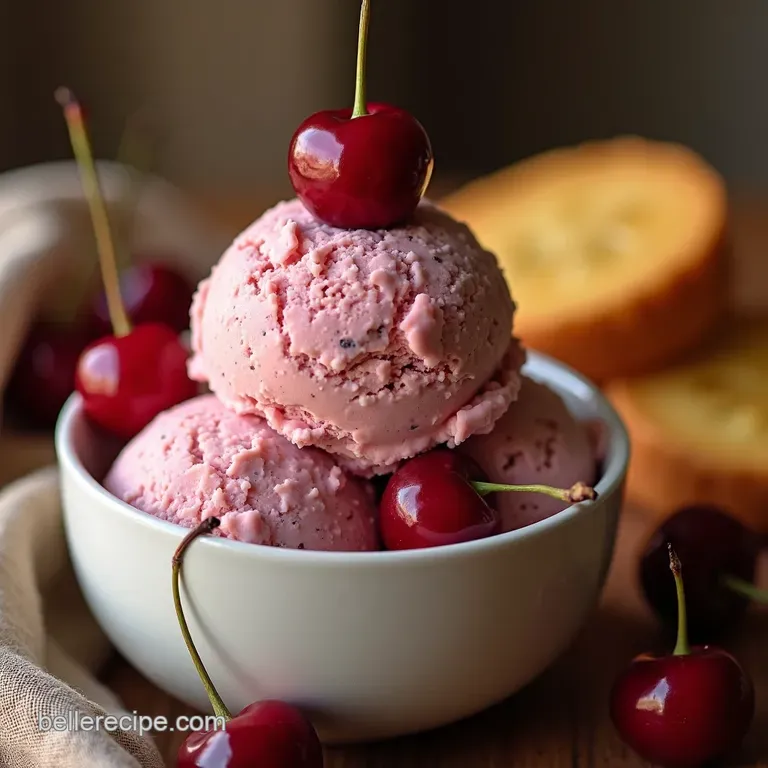
To achieve the signature density and flavour of this frozen treat, ingredient quality is non-negotiable. This is not the place for compromises. For a recipe yielding approximately one quart, precise measurement is key, especially concerning the dairy fat content and the ratios of our binding agents.
Dairy Necessities and Egg Yolk Ratios
We use a combination of heavy cream (at least 35% fat) and whole milk. The high fat content of the cream is vital for achieving that decadent mouthfeel. Balancing this with whole milk ensures we don't make the mixture too heavy, allowing for better churnability.
For five large egg yolks, this ratio provides enough structure to create that beautiful, scoopable texture without yielding an overly eggy taste. Remember, the whites are best saved for making meringue or macarons!
Sweeteners, Vanilla Bean, and Stabilizers Check
We rely on standard granulated sugar for sweetness and structure, distributed between the custard base and the fruit preparation. The vanilla element should be pure; if you use a bean, be sure to scrape every last black seed, those little specks carry immense flavour.
While some recipes call for stabilizers like cornstarch or gelatin, this classic French method relies purely on the expertly cooked egg yolks for stability, keeping the ingredient list clean.
Selecting the Ideal Cherries for Punchy Flavor
You can use either sweet dark cherries (like Bing) or sour cherries, depending on your preference for tartness. If using sour cherries, you might slightly reduce the added lemon juice.
If you are using frozen fruit, it is best to add them to the initial simmer without fully thawing them; this prevents them from turning to mush during the light cooking process.
Essential Equipment for Churning Success
While you can certainly explore modern methods like the ninja creami cherry ice cream technique (which requires processing a previously frozen block), this traditional recipe calls for a standard ice cream maker.
Ensure the freezer bowl, if required by your model, has been in the deep freeze for at least 24 hours before you plan to churn. A sturdy, heavy-bottomed saucepan is also necessary for making the custard, as it distributes heat evenly, minimizing the risk of scorching the milk solids.
Related Recipes Worth Trying
- Silky Swiss Butter Icing Recipe The Best Less Sweet Buttercream — Master the best buttercream frosting This Swiss Meringue Buttercream Recipe creates a silky stable icing thats perfectly smooth for cakes See my foolproof...
- Grandmas Peach Pie Recipes A Golden Slice of Nostalgia — Looking for easy peach pie recipes This Grandmas Golden Peach Pie with a hint of almond is pure comfort Perfect for summer Get the recipe now
- Foolproof American Buttercream Recipe My Light Fluffy Secret — Whip up the best american buttercream recipe This easy buttercream recipe makes frosting a breeze even for beginners Get light fluffy perfectpiping results...
Crafting the Luxurious Custard Base (Crème Anglaise Method)
The creation of the custard base demands attention, but follows a methodical rhythm. We begin by gently heating the cream, milk, and a pinch of salt until steam just begins to rise from the edges.
While this heats, we prepare the yolks by whisking them vigorously with the main portion of sugar until the mixture lightens in colour and thickens slightly, this is known as reaching the ribbon stage.
Tempering Eggs: Avoiding Scrambled Cream Chaos
This is the most crucial step. To avoid turning your lovely base into sweet scrambled eggs, we introduce the hot dairy mixture to the yolks gradually. Ladle about one cup of the warm liquid into the yolk mixture while whisking continuously and rapidly.
This slowly raises the temperature of the yolks without shocking them. Once tempered, pour this combined mixture back into the saucepan containing the remaining dairy.
Infusing the Base with True Vanilla Essence
Cook the entire mixture over low to medium heat, stirring constantly with a wooden spoon or heatproof spatula. You must keep the custard moving to prevent sticking and curdling. The goal is nappe stage: when the custard is thick enough to coat the back of your spoon and, if you draw a line through it, the line holds clearly for a moment before slowly merging.
If you have a thermometer, aim for 175° F ( 80° C). Immediately remove from the heat and strain the entire custard through a fine-mesh sieve into a clean, cold bowl to halt the cooking process instantly.
Stir in your vanilla essence now, or if using a bean, add the scraped pod and seeds.
The Crucial Chilling Phase and Churning Technique
Once the base is strained, we need to prepare it for freezing. A successful ice cream depends almost as much on the chilling time as the churning time.
Proper Maturation: Why Overnight Chilling Matters
Cover the strained custard directly with plastic wrap, pressing it onto the surface to block air exposure and prevent a rubbery skin from forming. Transfer this bowl to the refrigerator.
While you can technically churn after four hours of chilling, the flavour, and crucially, the texture, improves dramatically if you allow the base to mature overnight. This long, slow chill allows the fat molecules to fully hydrate and the flavour compounds to meld, resulting in a significantly smoother final product.
Achieving Peak Soft-Serve Consistency in Your Machine
When the base is thoroughly chilled (below 40° F/ 4° C), it's time to churn. First, prepare your fruit infusion: lightly simmer your pitted cherries with a quarter cup of sugar and lemon juice for about 5 to 7 minutes.
Cool this mixture completely. Once the custard is churning, wait until it reaches a thick, soft-serve consistency, usually 20 to 30 minutes, depending on your specific machine.
In the last minute of churning, gently fold in the cooled cherries and perhaps a tablespoon of their reserved syrup for an extra flavour boost and textural variation.
Troubleshooting and Enhancing Your Frozen Dessert
Even the most careful culinary efforts can sometimes result in unexpected textures. Fortunately, cherry ice cream is quite forgiving if you know a few tricks.
Fixing Ice Crystals: Tips for Smoother Cherry Ice Cream
If your finished product seems slightly icier than you’d like, it’s usually due to two things: not enough fat, or insufficient chilling time before churning. Next time, ensure the base is absolutely ice-cold.
For the current batch, transferring it to an airtight container and beating it with an immersion blender for 30 seconds right before the final hardening stage can sometimes break down microscopic crystals, yielding a noticeably smoother texture.
Flavor Twists: Adding Almond Extract or Kirsch
To move this beyond a simple fruit flavour, consider these additions during the chilling phase. A teaspoon of pure almond extract introduces a wonderful marzipan note that complements cherries beautifully. For a truly adult version, fold in one or two tablespoons of Kirsch (a clear cherry brandy) right before churning.
The alcohol depresses the freezing point, naturally resulting in a softer, more pliable scoop straight from the freezer.
The Ideal Hardening Time Post-Churning
Your ice cream will emerge from the machine looking like thick soft-serve, delicious, but not yet ready for clean scooping. Transfer it immediately to a shallow, freezer-safe container, pressing plastic wrap directly onto the surface. Place this in the coldest part of your freezer.
Allow it to "ripen" or harden for at least two hours before attempting to serve. This final hardening process locks in the air and structure you worked so hard to create, delivering the perfect, cohesive scoop every time.
Frequently Asked Questions
Why is my Cherry Ice Cream turning out icy instead of smooth?
Ah, the classic ice crystal conundrum! This usually happens if your custard base wasn't chilled long enough, it needs to be stone cold before churning. For the creamiest results, chilling the base overnight is non-negotiable, as the fat needs time to properly emulsify, leading to that beautiful, silky mouthfeel we’re after.
I’m worried about scrambling the eggs when making the custard; what's the secret to tempering?
Don't fret; it’s easier than boiling an egg! The key is to introduce the hot liquid very slowly to the yolks while whisking like mad, think of it as giving the eggs a warm bath, not a shock plunge.
Adding just a tiny bit of the hot cream first gradually raises the yolks' temperature before you pour them back into the main pan, ensuring a smooth, rich base.
Can I skip the ice cream maker for this Cherry Ice Cream recipe?
You absolutely can, but it’s not the ideal approach for this French-style custard. If you must go no-churn, freeze the base in a shallow dish and whisk vigorously every 30 minutes for the first 3 hours to break up ice crystals.
Be warned, though, the texture won't match the luxurious scoop you get from a proper machine!
How long will this homemade ice cream last in the freezer?
For the best quality and flavour, aim to eat it within two weeks; after that, the quality starts to dip, and you might notice some freezer burn if it isn't stored perfectly. Always use a very airtight container and press a piece of plastic wrap directly onto the surface before sealing the lid, it keeps those nasty ice crystals at bay!
I used sour cherries; should I adjust the sugar content?
That’s a cracking idea for a sharper flavour! If you use intensely tart cherries, you will likely need to add an extra tablespoon or two of sugar to the custard base, or perhaps just a touch more to the cherries themselves during the simmering stage.
Taste your custard base before chilling, if it makes your jaw pucker slightly, you’re on the right track!
Can I add alcohol to help keep the Cherry Ice Cream softer?
Yes, a touch of booze is a brilliant trick for softness, as alcohol depresses the freezing point! If you add about a tablespoon of a spirit like Kirsch or even good quality vodka to the finished base right before churning, it will keep the final product nicely scoopable straight from the deep freeze, avoiding that rock-solid texture.
Properly Piquant Cherry Vanilla Bean Ice Cream Recipe