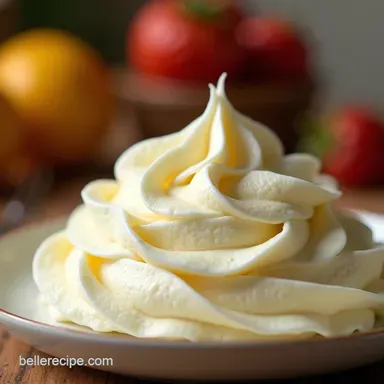
The Ultimate Silky Swiss Meringue Buttercream Elegant Stable and Perfectly Smooth Icing
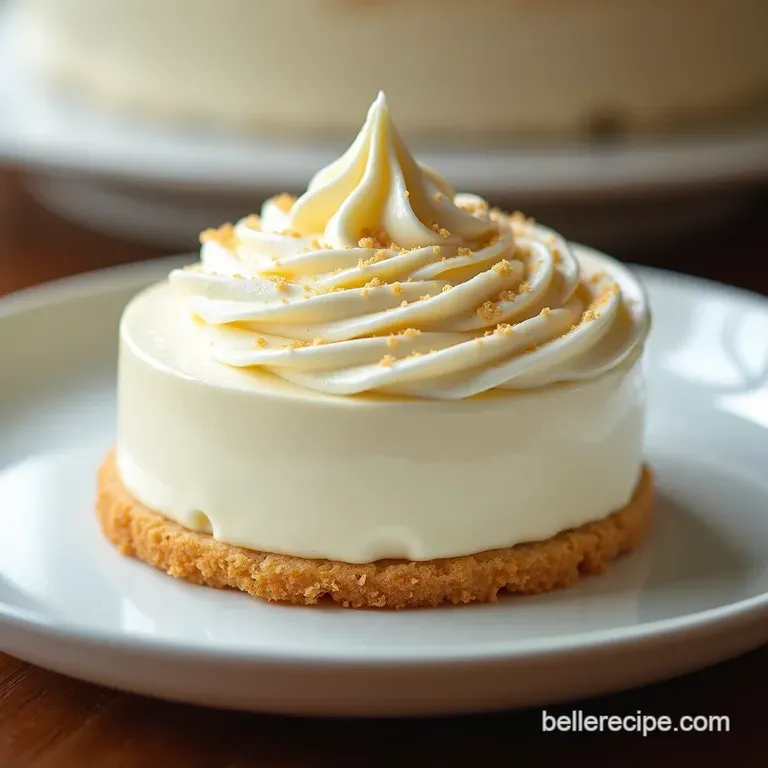
- Why Swiss Meringue Buttercream Reigns Supreme Over All Frostings
- Understanding the Magic Behind Truly Stable Swiss Butter Icing
- Curating Your Components: The Ingredient Checklist
- Precision Matters: Preparing Your Elements for Success
- The Transformation: Step-by-Step Guide to Making Swiss Butter Icing
- Troubleshooting Temperature: Achieving Peak Creaminess
- Troubleshooting Common Hurdles and Pro Secrets
- Storing and Serving Your Masterpiece Swiss Meringue
- The Crucial Dance: Understanding the Role of Butter Temperature in Swiss Meringue Buttercream
- Achieving the Perfect Emulsion: The Secret to Silky Swiss Butter Icing
- Stirring Up Something Special: Flavour Twists for Your Swiss Butter Icing
- When Things Go Pear-Shaped: Troubleshooting Your Swiss Butter Icing
- Frequently Asked Questions
- 📝 Recipe Card
Why Swiss Meringue Buttercream Reigns Supreme Over All Frostings
Right then, listen up. If you’ve ever wrestled with a batch of grainy American buttercream, you know the struggle is real. We’ve all been there, staring mournfully into the bowl wishing for something better.
Well, I’m here to tell you that Swiss Meringue Buttercream, or Swiss Butter Icing as I sometimes call it when I’m in a rush, is the absolute business.
It’s the one professional bakers rely on, and honestly, once you nail this Swiss Butter Icing Recipe , you’ll wonder why you bothered with anything else.
The Silky Secret: Why This Recipe Deserves a Spot in Your Repertoire
The secret lies in the technique. We’re not just dumping sugar in; we are gently cooking the egg whites and sugar over a little simmering water bath. This pasteurizes the eggs, yes, but more importantly, it dissolves all that sugar before we whip it senseless. That’s your first big win right there.
I remember the first time I made it, I kept checking the bowl, expecting crystallization, but it was smooth as silk. It's genuinely a Silky Buttercream Recipe that sets you up for success. Plus, it handles heat far better than the sugary stuff.
You won't have your cake sliding down the sides like a melted ice lolly in a heatwave.
Beyond Sweet: The Elegant Flavor Profile of Swiss Meringue
If you think all buttercream tastes like a bag of sugar, you need this recipe. Because most of the sugar is dissolved into the egg whites early on, the final result is a beautifully balanced Less Sweet Buttercream Recipe .
When you add that lovely soft butter and a dash of vanilla, what you get is pure elegance. It’s rich from the butter, but light on the palate. It doesn't sit heavy in your stomach, which is essential when you’re making a proper towering Swiss Meringue Buttercream for Cakes .
It truly lets the flavour of your actual cake shine through.
Understanding the Magic Behind Truly Stable Swiss Butter Icing
Stability is what makes this frosting a superstar. It pipes like a dream, holds those sharp edges, and doesn't get floppy if the kitchen gets a bit warm while you're faffing about with decorations.
Making the Swiss Buttercream Recipe work is all about temperature control, especially in the second half.
How This Icing Stacks Up Against American Buttercream
Let's be frank: American buttercream is quick, but it’s often dense. People often ask me if this Easy Swiss Meringue Buttercream is much harder than the simple mix-and-go versions. Honestly, it takes a bit more effort upfront, but the payoff is massive.
You need to whip your meringue until those stiff peaks form and the bowl is completely cool. If you rush this cooling stage, and trust me, I’ve been tempted!—the butter goes in too warm, and you end up with a sloppy, curdled mess.
Keep your cool, literally, and you’ll achieve a Best Buttercream Frosting that rivals anything you buy ready-made. This Swiss Butter Icing is worth every minute of attention.
Related Recipes Worth Trying
- Bright Cookies without Brown Sugar Crisp Vanilla Butter Cookies — Need cookies without brown sugar These bright flavour cookies bake up with a perfect crispy edge and tender centre An easy butter cookie recipe perfect for...
- Beurre Blanc Recipe My Foolproof French Butter Sauce — Want a silky smooth beurre blanc recipe This easy French butter sauce is foolproof Perfect for fish veggies or chicken Get the white wine butter sauce recipe
- Easy PanSeared Hanger Steak Recipe with Herb Butter — My goto hanger steak recipe Panseared to perfection and topped with herb butter balsamic glaze Learn the secret to tender flavorful butchers steak
Right then, let's get down to brass tacks. We’re making Swiss Meringue Buttercream, or as I often call it when I’m short on time, Swiss Butter Icing . This isn't your Nan’s overly sugary frosting. This stuff is the business.
It’s stable, it’s silky, and honestly, once you master this Swiss Meringue Buttercream Recipe , you’ll never look back. Forget that gritty American muck; this is the Best Buttercream Frosting going.
Curating Your Components: The Ingredient Checklist
Getting your ingredients right is half the battle. If you mess this up, you'll end up with a greasy puddle instead of a stunning Silky Buttercream Recipe . This Swiss Butter Icing Recipe relies on quality, plain and simple.
The Core Trio: Egg Whites, Sugar, and high-quality Butter
These three are the bedrock of our Easy Swiss Meringue Buttercream . The egg whites give us lift and structure. The sugar isn't just for sweetness; we are heating it to dissolve it fully, which is key to avoiding that nasty graininess.
Then there’s the butter, it needs to be quality . I always use good unsalted butter. Don't skimp here; the flavour really shines through in this Less Sweet Buttercream Recipe .
Measuring Excellence: Achieving the Right Ratios
Precision matters, trust me. I learned this the hard way after ruining a batch by eyeballing the sugar once. For our meringue base, you need 5 large egg whites, which is about 150g. Pair that with 1 ¼ cups (250g) of standard granulated sugar.
For the butter, grab 1 ½ cups (that’s three sticks, 340g) of unsalted butter. Make sure that butter is properly softened, room temperature, soft enough to press a finger into easily, but not melted.
Essential Equipment for a Flawless Meringue Base
You absolutely need a way to whip air into this mixture. A stand mixer is your best mate here, preferably with a whisk attachment. We’re cooking this over heat first, so you’ll need a heatproof bowl that sits nicely over a saucepan, a makeshift bain-marie .
Oh, and a thermometer is a lifesaver. You need the mixture to hit 160° F ( 71° C) before you start whipping. It’s non-negotiable for that beautiful Swiss Meringue Buttercream for Cakes .
Precision Matters: Preparing Your Elements for Success
This stage separates the pros from the dabblers. Everything needs to be ready to go before the heat hits the egg whites. I always have my butter cubed and waiting, my vanilla measured out. It moves fast once it’s off the heat.
Once you’ve hit that magic temperature and whipped the meringue until it’s stiff and glossy, truly cold to the touch, the final step is introducing the butter slowly. I cannot stress this enough: add it a tablespoon at a time.
When it looks like it’s gone completely pear-shaped and curdled, just keep mixing! It always comes back together eventually. That moment when it suddenly smooths out into the most glorious, velvety texture? Pure magic.
That’s how you know you’ve nailed the Swiss Butter Icing Recipe .
Right then, let's whip up something truly special. Swiss Meringue Buttercream, or Swiss Butter Icing , as some like to call it, is the crème de la crème of frostings. It’s silky, less sweet than a traditional American buttercream, and stable as a sturdy garden shed.
Perfect for those show-stopping layer cakes or simply enjoying with a cup of builder's tea! We are making the Best Buttercream Frosting here, folks. This Swiss Butter Icing Recipe is easier than you think, provided you pay attention to a few key moments.
The Transformation: step-by-step Guide to Making Swiss Butter Icing
This process is all about gentle heating and diligent whisking. Stick with me, and you’ll have a Silky Buttercream Recipe that rivals the pros.
Phase One: Creating the Glossy, Warm Meringue
First up, we need to cook those egg whites and sugar until they form a stable base. Think of this as giving the sugar a good talking-to before it gets whipped into submission.
- Get about an inch of water simmering gently in a saucepan. Not a raging boil, mind you; we aren't making a brew for a football crowd, just a nice, steady heat source.
- Whisk your egg whites, sugar, and that little pinch of cream of tartar (if you’re using it for extra backbone) in your heatproof bowl. Pop this bowl over the pan, make sure the bottom of the bowl isn't actually dunked in the water!
- Whisk constantly for about 10 to 12 minutes. You must keep things moving. The goal here is to dissolve every single sugar crystal. Taste-test it! Rub a tiny bit between your fingers. If you feel any grit, keep heating and whisking. The mixture needs to hit 160° F ( 71° C) for safety and structure.
- Once smooth and hot, get that bowl onto your stand mixer. Switch to the whisk attachment.
The Crucial Cooling Period: Preventing a Soupy Mess
This is where many people go wrong trying to make Swiss Meringue Buttercream for Cakes . If the meringue is warm when you add the butter, you’ll end up with liquid butter floating in foamy egg white, a complete disaster.
- Whip the meringue on high speed until it becomes incredibly glossy and holds stiff peaks. This takes anywhere from 10 to 15 minutes.
- Crucially, the outside of the bowl needs to be completely cool to the touch, like it’s been sitting out on a chilly morning. If it’s even slightly warm, wait longer. This slow cooling is non-negotiable for a successful Swiss Buttercream Recipe .
Incorporating Butter: The Slow Route to Perfect Emulsification
Now for the magic, turning that stiff meringue into the Easy Swiss Meringue Buttercream . You need your butter to be beautifully soft, like it’s ready to spread on a scone, but definitely not oily or melted.
- Switch your mixer attachment to the paddle (or flat beater). Turn the speed down to medium-low. Add your soft butter, one small cube at a time. Give each piece a good 15 seconds to fully incorporate before adding the next.
- Don't fret if it looks terrifying around the halfway mark. It will look curdled, like cottage cheese that’s had a bad day. Honestly, it happens every time I make this Swiss Butter Icing Recipe ! Just keep mixing.
- As the butter fully merges, the mixture will magically transform. Increase the speed to medium-high and beat for another three to five minutes until it's light, fluffy, and looks like smooth silk.
Troubleshooting Temperature: Achieving Peak Creaminess
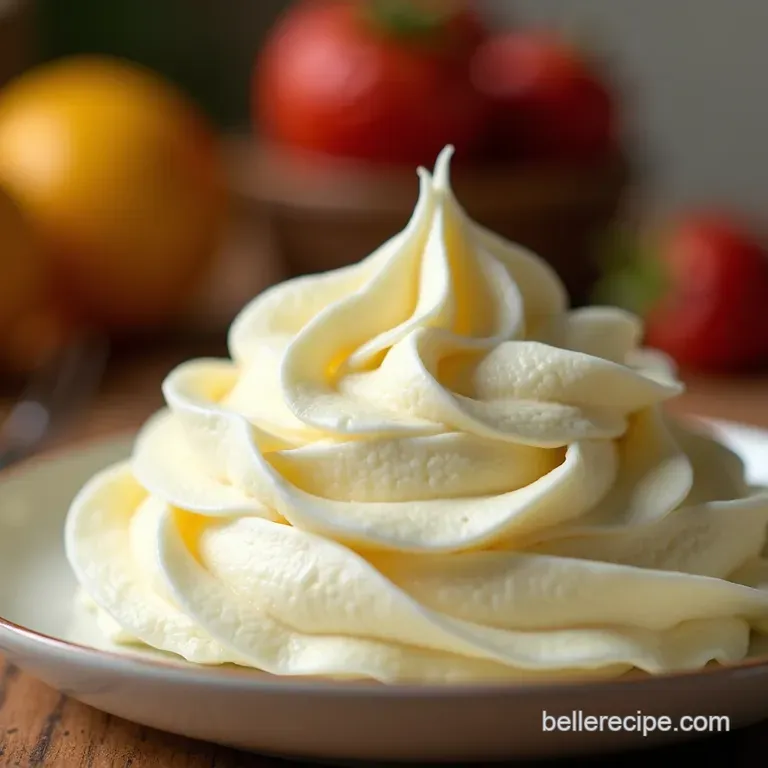
If you've reached the curdled stage and it just won't come together, don't bin it yet! We can usually save it.
Flavor Infusion: Adding Vanilla and Final Adjustments to Your Swiss Butter Icing
- Once you have that perfect, smooth texture, turn the mixer down. Beat in your vanilla extract and a tiny pinch of salt. The salt is vital; it cuts through the richness and stops the Less Sweet Buttercream Recipe from tasting bland.
If your final frosting looks too soft, pop the bowl in the fridge for 15 minutes, scrape down the sides, and then beat it again on high speed. If it looks too stiff, just add a teaspoon of room-temperature milk or water and beat again.
This Swiss Buttercream Ingredients list produces one of the most luxurious finishes you can ask for. It’s perfect for piping roses or giving that sharp edge to your layer cakes. Make it ahead!
You can store this Swiss Meringue Buttercream in an airtight container in the fridge for up to a week, just let it soften and re-whip it before use. Honestly, once you try this, you won't go back to American buttercream.
Troubleshooting Common Hurdles and Pro Secrets
Right then, we’ve made it through the main dance, the heating, the whipping, the butter incorporation. But let’s be honest, baking rarely goes exactly to plan first time, especially when dealing with emulsions.
If your beautiful Swiss Meringue Buttercream suddenly looks like it’s had a massive row and separated, don't despair! It happens to the best of us; even seasoned pros occasionally battle a wonky batch.
This isn't a failure; it’s just a temporary truce you need to negotiate with your ingredients.
Reviving Broken or Curdled Buttercream: Expert Rescue Missions
When you add the butter to your meringue and it looks grainy, lumpy, or like cottage cheese, that's usually a temperature mismatch. Either the meringue was too warm, or the butter was too hard when added. If it looks soupy and greasy, the meringue was definitely too warm, or you added the butter too fast.
Here’s the rescue plan. First, stop mixing for a minute and let it rest. Then, if it’s just slightly curdled, turn the mixer on low speed for 60 seconds, then blast it on high again for a full minute. Often, just giving it a good talking to (and whipping hard) forces the emulsion back together.
If it’s truly gone rogue, a greasy puddle, try this trick: Take about two tablespoons of the broken mixture and put it in a small bowl. Microwave it for about 10 seconds until it just starts to melt. Return this liquidy bit to the main mixer bowl and whip everything on medium-high speed.
That small temperature shock often acts like a catalyst, forcing the whole batch of Swiss Butter Icing to stabilize beautifully. Remember this little trick; it’s a lifesaver for any Swiss Buttercream Recipe .
Creative Flavor Swaps and Color Techniques
One of the best things about this Silky Buttercream Recipe is how neutral its flavour base is. It’s practically a blank canvas, just begging for some personality! When it comes to colour, use gel pastes, not liquid food colouring.
Liquid colouring adds unnecessary moisture and can slightly destabilize your meringue structure, which we absolutely don't want after all that hard work getting the Swiss Meringue Buttercream right.
For flavour, think quality extracts. A splash of almond or maybe even some high-quality peppermint extract is brilliant. My personal favourite? When making a chocolate batch, instead of just adding melted chocolate, I melt the chocolate and then add a tiny dash of instant coffee dissolved in warm water.
It deepens the chocolate flavour without tasting overtly like coffee, very sophisticated, like something you’d find in a swanky bakery, not just your kitchen! This icing is brilliant for Swiss Meringue Buttercream for Cakes because it rarely splits under pressure.
Storing and Serving Your Masterpiece Swiss Meringue
This icing is leagues ahead of traditional American stuff when it comes to stability, which is handy when you’re making a showstopper cake. It’s much better equipped to handle a slightly warmer room temperature, making it excellent for parties or slightly dodgy summer weather.
Shelf Life Expectations for Your Homemade Icing
When stored correctly, this Swiss Butter Icing Recipe is surprisingly resilient. If you've made a batch and it’s beautifully smooth, you can pop it into an airtight container. In the fridge, it will happily last for up to a week.
It firms up like a rock, mind you, so don’t think you can just use it straight from the cold!
To bring it back to life, you must let it sit on the counter for a good hour or two until it softens considerably. Then, give it a quick whip in the mixer bowl for just 30 seconds on medium speed to restore its silky texture.
If you’ve made a huge batch and need it for later in the month, it freezes brilliantly too. Wrap it tightly in cling film and foil, and it’ll be good for up to three months. Thaw overnight in the fridge, then bring to room temp and give it that final whip, it comes back like it was freshly made.
Pairing and Garnish Ideas
Because this Less Sweet Buttercream Recipe isn’t cloyingly sweet, it pairs beautifully with tart or rich flavours. Think sharp raspberry fillings, tart lemon sponges, or dense, dark fruitcakes.
It’s honestly the Best Buttercream Frosting for balancing sweetness.
For garnishing, keep it elegant to match the texture. A simple scattering of freeze-dried raspberry dust looks fantastic against the pure white finish. Or, if you’re going for a chocolate look, use a vegetable peeler to create beautiful, thin chocolate ribbons to drape over the top.
If you’re using this Easy Swiss Meringue Buttercream on cupcakes, a single, perfect salted caramel drizzle on top of a swirl is always a winner. It truly elevates any bake; it's almost cheating how professional it makes things look!
The Crucial Dance: Understanding the Role of Butter Temperature in Swiss Meringue Buttercream
Right then, let's talk about the making or breaking point of your glorious Swiss Butter Icing . You’ve got your silky meringue, shining like a newly polished teapot, and now comes the moment of truth: adding the butter.
This isn't just throwing in a few lumps; this is a delicate culinary partnership. Get the temperature wrong here, and you'll end up with something resembling cottage cheese rather than the Best Buttercream Frosting known to man.
The entire magic of Swiss Meringue Buttercream hinges on the temperature of those Swiss Buttercream Ingredients , especially the butter itself.
Butter Consistency: Not Too Cold, Not Too Sloppy
When I first tried this Swiss Meringue Buttercream Recipe , I rushed it, thinking, "It's just butter, how hard can it be?" Well, let me tell you, I nearly chucked the whole lot in the bin.
The secret to achieving that famously smooth texture, the texture that makes this a truly Silky Buttercream Recipe —is having butter that is perfectly, utterly, unequivocally room temperature.
What does that mean in practical terms? It means your butter should yield gently when pressed with a finger, but it absolutely must not look shiny, greasy, or soft enough to spread easily right now. Think of the consistency you want if you were making classic shortbread, pliable but holding its shape.
For us Brits, imagine butter left on the counter for maybe 30 minutes on a mild day, not melting near the Aga.
If your butter is too cold, it won't emulsify properly with the fluffy meringue. Instead, the cold chunks will just bob around in the meringue, leading to a lumpy, stiff mess that looks completely wrecked. Trust me, it’s heartbreaking when that happens!
The Danger Zone: When the Meringue Isn't Cool Enough
Now, let’s flip the script. Just as important as the butter's temperature is the temperature of the base you are adding it to. Remember in Phase 1, we beat the egg white and sugar mixture until it formed stiff peaks?
That process generates heat, and the meringue needs to shed almost all of that warmth before the butter goes in.
I learned this the hard way when I was making a batch of Swiss Butter Icing for a wedding cake order. I was in a rush. I added the butter while the meringue was still slightly warm from the mixing bowl, maybe 80° F ( 27° C) instead of closer to 70° F ( 21° C).
Disaster! The butter melted instantly into the warm meringue. The mixture turned into a thin, soupy liquid that smelled fantastic but looked like yellow dishwater. It wouldn't whip up; it just spun uselessly in the mixer.
That, my friends, is how you get soup instead of Swiss Meringue Buttercream for Cakes .
The rule I now live by? Touch the outside of the mixer bowl. If it feels cool, bordering on cold, you’re safe to start adding the butter, one tablespoon at a time. This patient incorporation builds the structure.
If you rush this step, you’re setting yourself up for a massive fight to salvage your Easy Swiss Meringue Buttercream .
Patience Pays Off: Emulsification and the Final Whip
When you start adding the butter to that cool, stiff meringue, the mixture will look like it’s gone completely pear-shaped, all curdled, grainy, and possibly a bit greasy on the sides.
This is the stage where many home bakers throw in the towel, assuming they’ve ruined their Less Sweet Buttercream Recipe . Hold your horses! This is a necessary, awkward middle stage.
Keep the mixer on medium-low speed, just allowing the butter to merge. Then, turn it up to medium-high and just let it run. Suddenly, as if by magic, that lumpy mess will snap together. It transforms into something light, incredibly voluminous, and utterly flawless.
That final whip is what defines the texture of your final product, it should look like pale silk ready to drape over any bake.
Mastering butter temperature is the key difference between a passable frosting and a show-stopping Swiss Butter Icing Recipe . Stick to the cool meringue and perfectly soft butter, and you’ll nail this elegant classic every single time.
Achieving the Perfect Emulsion: The Secret to Silky Swiss Butter Icing
Right then, let's whip up something truly special. Swiss Meringue Buttercream —or Swiss Butter Icing , as some like to call it, is the crème de la crème of frostings.
It’s silky, less sweet than a traditional American buttercream, and stable as a sturdy garden shed. Perfect for those show-stopping layer cakes or simply enjoying with a cup of builder's tea!
This recipe isn't just about throwing things in a bowl. It’s about technique, specifically mastering the emulsion. Think of it like trying to get two mates who don't usually see eye-to-eye to finally shake hands and become best mates. That moment when everything clicks? That’s your perfect icing.
If you’re looking for the Best Buttercream Frosting out there, this is it.
Why Heat Matters: Stabilising the Foundation
Before we even think about butter, we need the meringue. This is where the "Swiss" part comes in, and frankly, it’s a game-changer compared to whisking cold whites. We gently heat the egg whites and sugar over a simmering water bath (a bain-marie ).
Why bother? Simple. Heating dissolves the sugar completely. If you’ve ever had grainy buttercream, that’s undissolved sugar crystals making things rough. We need that mixture to hit 160° F ( 71° C) on the thermometer.
This gentle heat also slightly denatures the proteins in the egg whites, setting us up for a far more stable final product. It’s the first step towards that beautifully Silky Buttercream Recipe .
When you rub the mix between your fingers after heating, it must feel utterly smooth, like rubbing silk. Once it’s smooth, we whip, whip, whip until those glossy peaks are stiff and the bowl is cool. I learned this the hard way years ago. I thought 'warm' was good enough. Nope.
Warm meringue equals soup when the butter goes in. It must be completely cool.
The Great Butter Introduction: Don't Panic at the Splits
Once you have that gorgeous, thick, cool meringue, it’s time for the butter. This is where everyone gets twitchy. You’re going to add soft, room-temperature butter, and I mean soft , like it’s just starting to look a bit shiny, a little bit at a time.
As the butter incorporates, I guarantee you that your mixture will look like a disaster. It will split. It might look curdled, like cottage cheese floating in oil, or maybe just a soupy mess.
This is the moment most people stop, scrape the bowl, and think they've ruined their Swiss Meringue Buttercream for Cakes .
Hold your horses! This is completely normal. The mixture is just trying to form that emulsion. Keep the mixer running on medium-low. I usually give the bowl a good scrape down at this stage, making sure every bit of butter is being worked into the meringue. Keep mixing. Trust the process.
Forcing the Finish: From Curdled to Creamy
Once that initial odd texture subsides, and trust me, it will, it’s time to crank the speed up. We whip it hard and fast. This final beating stage incorporates air and forces the fat (butter) and water (from the meringue) to bind together perfectly.
Suddenly, as if by magic, it will transform. That split, curdled mess will tighten up into a light, fluffy, homogenous cloud. This is the payoff for your patience, the truly Easy Swiss Meringue Buttercream moment.
The resulting Swiss Butter Icing Recipe texture is pure velvet.
When you taste this glorious Less Sweet Buttercream Recipe , you’ll notice the butter flavour is clean, not overwhelming like some frostings. A quick beat with your vanilla and a pinch of salt, and you’re done.
This stable icing is why bakers love it; it holds its shape for piping roses that look proper, not melted puddles. If you follow these emulsion steps, your Swiss Meringue Buttercream Recipe journey will result in the lightest, most reliable icing you've ever made.
Stirring Up Something Special: Flavour Twists for Your Swiss Butter Icing
Right then, let's whip up something truly special. Swiss Meringue Buttercream, or Swiss Butter Icing , as some like to call it, is the crème de la crème of frostings. It’s silky, less sweet than a traditional American buttercream, and stable as a sturdy garden shed.
Perfect for those show-stopping layer cakes or simply enjoying with a cup of builder's tea!
Now that you’ve nailed the basic Swiss Meringue Buttercream Recipe —the one that delivers that beautifully smooth texture, it’s time to get creative.
Honestly, the base recipe is fantastic; it’s the Best Buttercream Frosting for someone who finds classic American styles a bit of a sugar rush. But why stop there, eh? Once you’ve mastered the technique, you have a perfect canvas.
Think of it as getting the chassis right before you pick your favourite colour paintwork. Mastering this Silky Buttercream Recipe opens up loads of doors for your baking projects.
Going Global with Zests and Extracts
The beauty of this base is how easily it accepts other flavours. Because the inherent sweetness level is lower in our Swiss Butter Icing Recipe , you can afford to push the fruitier or bolder notes harder without everything turning sickly sweet.
When I first started making this, I stuck to vanilla religiously. But one particularly dreary January, I needed a lift. That’s when I learned that citrus zest is your best mate here. Finely grate the zest of one large lemon or orange after the butter is fully incorporated.
Don't add it when heating the whites; the oils don't play nicely with the cooking stage. The resulting frosting smells like sunshine! For an intense flavour, use a good quality extract rather than imitation, especially for almond or peppermint.
A dash of good quality pure vanilla extract makes all the difference in achieving that sophisticated flavour profile we associate with professional Swiss Meringue Buttercream for Cakes .
Chocolate: The Essential Addition
Let’s be honest, for many of us, if it isn't chocolate, it’s not quite right. Making chocolate Swiss Butter Icing is perhaps the most common variation, and it’s surprisingly simple.
The critical thing here is temperature control. You need to melt about 115g of good quality dark or milk chocolate. Once melted, you must let it cool down to almost room temperature, it should still be liquid but not warm to the touch.
If you add warm chocolate to your finished meringue/butter mix, you risk splitting the entire batch. My tip? Melt the chocolate, set it aside, and focus completely on getting your meringue butter stage perfect.
Once your smooth Swiss Buttercream is ready, drizzle in the cooled chocolate slowly while the mixer is running on low. Give it a final blast on medium-high, and boom, you have a rich, dark frosting that pipes like a dream.
This is far superior to those recipes that try to add cocoa powder straight into the mix, which often ends up tasting dusty. This method ensures a truly velvety texture for your Easy Swiss Meringue Buttercream .
Spices and Grown-Up Notes
If you fancy something a bit more grown-up for Christmas or autumn bakes, spices are the way to go. Cinnamon, nutmeg, or even a tiny bit of ground ginger work beautifully, especially when paired with a deeper filling, like spiced apple compote.
I also love using coffee. Forget those overly bitter mocha frostings. Dissolve a teaspoon of instant espresso powder in just a tiny splash of boiling water, let it cool right down, and add that with your vanilla.
It deepens the flavour of the butter and sugar perfectly, making it a fabulous complement to a rich chocolate cake. Using robust Swiss Buttercream Ingredients like these elevates a simple cake into something truly memorable.
Seriously, once you nail this base, you’ll wonder why you ever bothered with those overly sweet alternatives. This Less Sweet Buttercream Recipe gives you so much more room to play!
When Things Go Pear-Shaped: Troubleshooting Your Swiss Butter Icing
Right then, you’ve followed the steps perfectly, or so you thought. Sometimes, even with the fanciest Swiss Meringue Buttercream Recipe , things don't look quite as they do in the glossy magazines. Don't fret!
Every baker, even those who bake for a living, has wrestled with a wonky batch of frosting. Making Swiss Butter Icing is a technique, and techniques sometimes need a little nudge back onto the right path. It’s never a disaster, just an opportunity to learn!
Why Is My Meringue Looking Like Soup?
This is the classic panic moment. You’ve whipped the egg whites and sugar until they are sky-high and glossy, but then you start adding the butter, and suddenly, you’ve got a pool of liquid at the bottom of your bowl. I call this the 'Great Butter Eruption'.
Usually, this happens for one of two reasons, and both relate back to temperature.
First, check the meringue bowl itself. Did you add the butter when the meringue was still warm? If so, the butter melted straight into a greasy liquid instead of emulsifying. Second, look at your butter. If your butter was too soft, verging on oily, it won't hold its structure when mixed in.
The fix for this, which I learned the hard way after wasting an entire batch one hot summer afternoon, is cooling. If your Swiss Butter Icing looks like it’s splitting or gone thin, stop the mixer.
Pop the entire mixing bowl (if metal) into the fridge for about 15 minutes. You want the mixture to firm up slightly. Then, bring it back to the mixer, start on low speed, and gradually increase.
Often, that chilling time is just enough for the mixture to firm up so the fat droplets can properly bind with the meringue structure. It truly works wonders, turning that sloppy mess into the Silky Buttercream Recipe you’re aiming for.
Grainy Texture: Did the Sugar Dissolve?
If you manage to skip the soup stage but end up with something that feels gritty, like you’ve mixed in sand, you’ve likely got undissolved sugar crystals. Remember that vital step? Heating the egg whites and sugar until you couldn't feel any grit between your fingers?
That's the backbone of this Less Sweet Buttercream Recipe . If those crystals remain, they won’t dissolve in the cold butter, and they’ll stay grainy in the finished product.
There’s no magic wand for removing already-crystallised sugar, I’m afraid. The only real remedy is gentle reheating. Carefully transfer the grainy Swiss Butter Icing back over a very low heat source, think barely warm water bath, not direct heat, and gently fold with a spatula.
You are not trying to cook it again, just warm it just enough to melt those stray sugar grains. This must be done gently, or you risk turning your beautiful meringue into flat egg sludge. Remember, patience with heat is the key to mastering this Easy Swiss Meringue Buttercream .
My Icing is Too Stiff or Too Soft
Once you get past the initial splitting, you might find the texture just isn’t quite right. If your Swiss Meringue Buttercream for Cakes is too stiff, almost crumbly, it usually means one of two things: either the butter was too cold going in, or you over-whipped it past the fluffy stage.
If it’s stiff, the solution is simple, just like with the split icing: add a tablespoon of room-temperature liquid. This can be milk, cream, or even water. Add it very slowly while mixing on medium speed until it loosens up to that lovely, spreadable consistency needed for a truly professional finish.
If it’s too soft (and you’ve already chilled it and it’s still slack), it generally means the room is too warm, or your Swiss Buttercream Ingredients were too soft to begin with. Take the bowl and place it in the fridge for 30 minutes, then re-whip.
It’s all about finding that perfect stable temperature for the butterfat to hold the air structure. Mastering this stability is what makes this the Best Buttercream Frosting for detailed piping work! It’s a reliable staple once you know these little quirks.
If you're craving more ideas, explore Foolproof American Buttercream Recipe My Light Fluffy Secret , How to Make Pie Crust My Easy Flaky AllButter Secret and Silky Smooth Powdered Sugar Icing Recipe .
Frequently Asked Questions
Why does my Swiss Butter Icing look curdled or soupy after adding the butter?
Ah, the classic moment of panic! This is almost always due to a temperature mismatch. Either your meringue wasn't completely cool, or your butter was too warm. Don't fret; keep mixing on medium speed, and often the emulsion will magically snap back together.
If it stubbornly refuses, try adding a tiny splash of cold water or milk to force the mixture to emulsify.
How can I ensure my Swiss Butter Icing turns out silky smooth and not grainy?
The key to silkiness happens right at the start over the water bath. You must heat the egg white and sugar mixture until the sugar is completely dissolved, rub a bit between your fingers; if you feel any grit, keep heating and whisking.
Also, always use granulated sugar, not caster sugar, as the larger crystals dissolve more predictably when heated this way.
Can I make Swiss Butter Icing ahead of time, and how should I store leftovers?
Yes, you absolutely can make it ahead; it’s famously stable! Store it in an airtight container at cool room temperature for a day or two, or in the fridge for up to a week. If chilling, you must let it come to room temperature slowly before re-whipping it vigorously until smooth again, or it will weep.
My meringue is perfect, but the frosting seems too soft, can I firm up my Swiss Butter Icing?
If your icing is too soft, usually the kitchen is just too warm, it hates hot weather, much like a soggy bottom! Pop the bowl into the fridge for about 15–20 minutes to firm up the butter slightly, then give it a brisk whip again.
Avoid adding extra powdered sugar as that defeats the purpose of the smooth meringue base.
I’m nervous about the egg whites. Do I really need to heat them, and what temperature is safe?
For food safety, yes, heating the egg whites and sugar to 160°F (71°C) pasteurizes them, it cooks them slightly before whipping. This step is what gives Swiss Butter Icing its incredible stability and smooth texture, so definitely don't skip the heat, but make sure you cool the meringue completely before adding the butter!
How can I flavour my Swiss Butter Icing differently, perhaps something beyond vanilla?
This icing takes on other flavours beautifully without becoming gritty. For a brilliant chocolate version, beat in cooled, melted high-quality dark chocolate along with the butter. You can also add fruit zest, a splash of good liqueur like Grand Marnier, or even a teaspoon of strong, cooled coffee for a mocha twist.
Silky Swiss Butter Icing Recipe The Best Less Sweet Buttercream