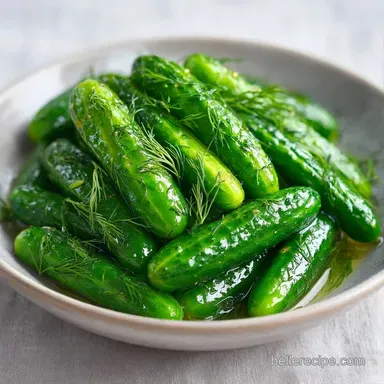
Ready to Eat Pickles: Crispy and Tangy
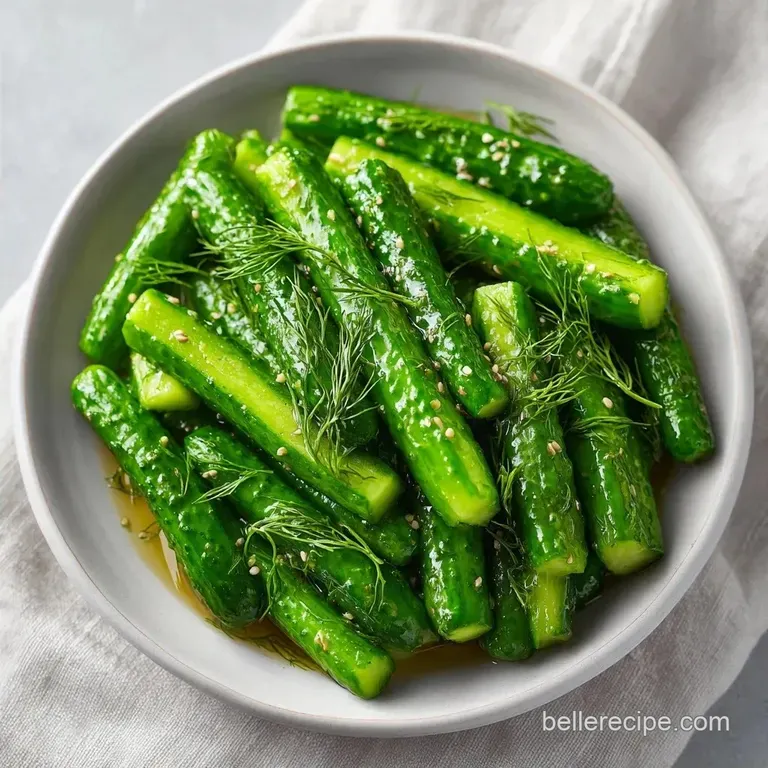
- Time: 15 min active + 24 hours chilling
- Flavor/Texture Hook: Sharp, tangy, and a satisfying shatter upon every bite
- Perfect for: Summer barbecues, sandwich toppers, or a quick salty snack
Ready to Eat Pickles
I remember a specific July afternoon a few years back when my family gathered for the annual neighborhood cookout. The air was thick with the smell of charcoal and sweet corn, and I had brought a jar of these pickles I'd tossed together the night before.
I watched my uncle take a bite, and the audible "snap" was so loud it practically echoed across the patio. He spent the next ten minutes asking me how I got them so crisp without the usual long fermentation wait.
That's the beauty of this approach. We aren't waiting weeks for nature to take its course in a salty crock. Instead, we're using a bit of heat and a specific balance of vinegar to get that bright, punchy flavor immediately.
It's all about that contrast, the freezing cold cucumber meeting a steaming brine, resulting in a treat that feels both fresh and deeply seasoned.
When you make these Ready to Eat Pickles, you're creating something that balances the sharp bite of white vinegar with the earthy, sunny notes of fresh dill. Whether you're piling them onto a burger or eating them straight from the jar at midnight, they provide that necessary acidic hit that cuts through rich foods.
Trust me on this, once you have a jar in your fridge, you'll find yourself reaching for them with almost every meal.
Secrets to a Crisp Snap
The real magic here is how we handle the brine. Most people think that heating the liquid will "cook" the cucumber and make it mushy, but it's actually the opposite when done correctly.
By pouring the hot liquid over the cold veg, we create a quick infusion that forces the flavors into the skin while the salt maintains the internal structure.
- Thermal Shock
- Pouring hot brine over cold cucumbers creates a rapid pressure shift that helps the liquid penetrate the cell walls faster.
- Salt Stabilization
- The coarse sea salt draws out excess water from the cucumber, preventing the brine from becoming diluted.
- Acid Seal
- The vinegar lowers the pH quickly, which stops enzymes from breaking down the pectin that keeps the cucumber crunchy.
- Sugar Balance
- A small amount of sugar doesn't make it "sweet," but it rounds off the harsh edges of the distilled vinegar.
| Method | Prep Time | Texture | Best For |
|---|---|---|---|
| Hot Brine (This Recipe) | 15 minutes | Firm and Shattering | Immediate flavor and long-term snap |
| Cold Soak | 15 minutes | Softer and Mild | Very delicate cucumbers |
| Fermented | 2-4 weeks | Funky and Complex | Traditional probiotic fans |
It's a simple bit of kitchen logic, but it's why these stay firm for weeks. If you prefer a different kind of quick veg, you might enjoy making some quick pickled radishes using a similar hot pour technique.
Essential Recipe Details
The ingredients are humble, but they each play a specific role in the final result. I've found that using distilled white vinegar gives the cleanest flavor, whereas apple cider vinegar can sometimes make the brine look a bit cloudy.
| Ingredient | Science Role | Pro Secret |
|---|---|---|
| Kirby Cucumber | Structural Base | Their thick skins prevent sogginess better than English cucumbers |
| Distilled Vinegar | Acidification | Provides a sharp, "clean" acidity that preserves the bright green color |
| Coarse Sea Salt | Osmosis Agent | Draws out moisture to keep the interior cells tight and crisp |
| Fresh Dill | Aromatic Oil | Adds a sunny, herbal note that cuts through the salt |
Right then, let's look at what you actually need to gather. I always suggest getting your jars ready first so you aren't scrambling while the brine is simmering.
The Ingredient List
- 2 lbs Kirby or Persian cucumbers, sliced into spears or rounds Why this? Thick walls ensure a better snap.
- 4 cloves garlic, smashed Why this? Smashed cloves release more oils than sliced ones.
- 4 sprigs fresh dill, roughly chopped Why this? Fresh is far superior to dried for this recipe.
- 1 tsp black peppercorns Why this? Adds a subtle, woody heat.
- 1 cup distilled white vinegar Why this? Standard acidity for a classic dill taste.
- 1 cup filtered water Why this? Prevents chlorine tastes from affecting the brine.
- 1 tbsp coarse sea salt Why this? Pure salt without additives prevents cloudiness.
- 1 tbsp granulated sugar Why this? Balances the sharp acidity.
Quick Substitutions:
- Vinegar: Rice vinegar (milder, slightly sweeter).
- Dill: Fennel fronds (similar anise flavor, but less "classic").
- Sugar: Honey (adds a deeper, floral sweetness).
- Garlic: Garlic powder (use 1 tsp, but fresh is much better).
Necessary Kitchen Tools
You don't need a professional lab to make these Ready to Eat Pickles. A few basic staples will do the trick.
- Four pint sized mason jars: Glass is a must because vinegar can react with plastic or metal.
- Small saucepan: For simmering your brine.
- Chef's knife: A sharp blade ensures clean cuts, which prevents the cucumbers from bruising.
- Measuring cups and spoons: Precision with salt is key here.
- Tongs: Helpful for packing the cucumbers tightly into the jars.
How to Make Them
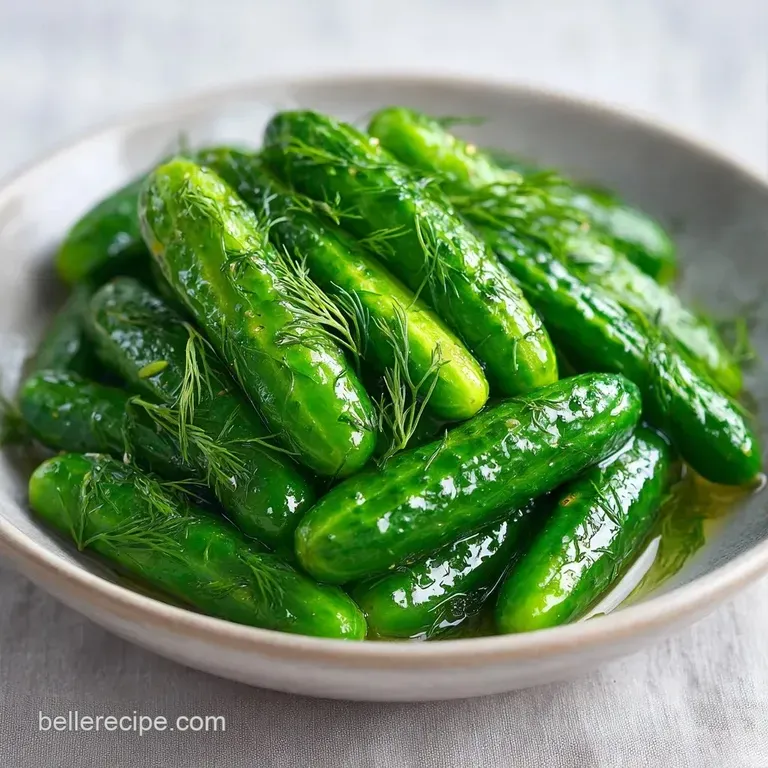
- Prepare the veg. Slice your cucumbers into uniform spears or coins. Note: Uniform sizes ensure they all pickle at the same rate.
- Pack the jars. Stuff the cucumbers tightly into the four pint sized jars. Press down firmly so they don't float later.
- Add aromatics. Tuck the smashed garlic cloves, chopped dill, and peppercorns in between the cucumber slices. Leave about ½ inch of headspace at the top.
- Mix the brine. Combine the distilled white vinegar, filtered water, coarse sea salt, and granulated sugar in your saucepan.
- Heat the liquid. Place the pan over medium heat. Stir constantly until the salt and sugar have completely dissolved and the liquid reaches a gentle simmer.
- Pour the brine. Carefully pour the hot liquid over the cucumbers in each jar until they are completely submerged.
- Clear the bubbles. Tap the jars gently on the counter to release any trapped air bubbles. This prevents "dead zones" where the brine isn't touching the veg.
- Initial cool. Seal the lids tightly and let the jars sit on the counter for 30 minutes.
- The big chill. Transfer the jars to the refrigerator. Refrigerate for at least 24 hours before serving.
Troubleshooting and Pro Tips
The most common complaint I hear is that the pickles turned out soft. Usually, this happens because the cucumbers weren't packed tightly enough, or the brine wasn't salty enough to draw out the excess water.
| Issue | Solution |
|---|---|
| Why Your Pickles Are Mushy | If the texture is more "boiled" than "snappy," it's often due to using English cucumbers. Those have thinner skins and more water, which doesn't hold up as well to the hot brine. |
| Why the Brine is Cloudy | Cloudiness usually comes from impurities in the water or using a salt with anti caking agents. Using filtered water and a pure sea salt usually fixes this. |
| Why the Flavor is Bland | If they don't taste "pickly" enough after 24 hours, you might have used a vinegar with a lower acidity percentage. Check your label; you want a 5% acidity vinegar. |
Common Mistakes Checklist:
- ✓ Did you leave enough headspace? (½ inch is perfect).
- ✓ Did you smash the garlic? (Slicing isn't enough for full flavor).
- ✓ Is the salt fully dissolved? (Ensure no grains are left at the bottom).
- ✓ Did you wait the full 24 hours? (Patience is the hardest part!).
Flavor Twists and Swaps
Once you've mastered the basic Ready to Eat Pickles, you can start playing with the flavor profile. I love making a "spicy" batch by adding a sliced jalapeño or a pinch of red chili flakes to the jar. It adds a heat that contrasts beautifully with the cold crunch.
If you want something a bit more sophisticated, try adding a strip of lemon peel or a few coriander seeds. For those who prefer a sweeter vibe, you can increase the sugar to 2 tablespoons, which creates a "bread and butter" style profile.
Adjusting Your Batch Size When scaling this recipe up, don't just double everything blindly. For a 4x batch, I recommend only increasing the salt and peppercorns to 3x. The vinegar and water should be scaled exactly, but the aromatics can become overpowering if you go full 4x.
If you're making a smaller batch, just halve the ingredients and use smaller jars to keep the cucumbers submerged.
If you enjoy these, you might also like experimenting with quick pickled red onions to add a bright pop of color to your tacos.
Fridge Life and Storage
Since these are refrigerator pickles and not canned, they aren't shelf stable. Keep them in the fridge at all times. They'll stay crisp and delicious for about 4 to 6 weeks.
Zero Waste Tip: Don't throw away the brine! Once the cucumbers are gone, that leftover liquid is liquid gold. I use it to marinate chicken breasts before grilling or as a base for a tangy potato salad dressing. You can even pour it over sliced cucumbers and onions for a quick side salad.
The Canning Myth A lot of people think you have to use a boiling water bath to make pickles "safe." While that's true for room temperature storage, it's totally unnecessary for refrigerator pickles. In fact, the boiling process often makes the cucumbers softer.
The vinegar and refrigeration do all the work here.
Freezing Warning Never freeze these. The water inside the cucumbers will expand and destroy the cell walls, leaving you with a watery, mushy mess once they thaw.
Perfect Pairing Ideas
These Ready to Eat Pickles are the ultimate sidekick. My favorite way to use them is on a homemade burger. The acidity cuts right through the fat of the beef and cheese, creating a balanced bite. If you're making burgers, I highly suggest pairing these with a Big Mac Sauce for that classic fast food feel at home.
For a lighter snack, try a "Pickle Plate." Slice some sharp cheddar cheese, add a few olives, some smoked almonds, and a pile of these pickles. It's a mindful, comforting way to start a dinner party or enjoy a quiet afternoon.
They also work brilliantly in wraps. Try a turkey and avocado wrap with a few thin slices of these pickles and a swipe of Dijon mustard. The contrast between the creamy avocado and the sharp, salty pickle is just brilliant.
Honestly, the only limit is your imagination, but as long as you have that crunch, you're winning.
Critical Sodium Level
1625 mg 1625 mg of sodium per serving (71% 71% of daily value)
The American Heart Association recommends a daily sodium limit of 2,300mg, with an ideal limit of 1,500mg for most adults to reduce cardiovascular risk.
Tips to Reduce Sodium
-
Reduce Sea Salt-30%
Cut the coarse sea salt by half or more; since this is the primary sodium source, it provides the most significant reduction.
-
Increase Acidity-20%
Increase the distilled white vinegar slightly or add a squeeze of lemon juice to mimic the 'sharpness' of salt.
-
Amplify Garlic-15%
Increase the amount of smashed garlic to add a more pungent, savory depth that compensates for lower salt levels.
-
Boost Fresh Herbs
Add extra fresh dill or introduce fresh parsley to enhance the aromatic profile without adding any sodium.
Recipe FAQs
How to make pickles?
Slice cucumbers and pack tightly into jars with garlic, dill, and peppercorns. Pour over a hot brine of simmered white vinegar, water, salt, and sugar, then refrigerate for 24 hours.
Do homemade dill pickles in vinegar need to be refrigerated?
Yes, these are refrigerator pickles. They are not processed for shelf-stability and must be kept chilled to remain safe and crisp.
Can you pickle with just vinegar?
No, you need a water-to-vinegar ratio. Using only vinegar creates a brine that is too acidic and overpowering for the cucumbers.
Is it true that pickles help with heartburn?
No, this is a common misconception. The high acidity of the distilled white vinegar often triggers or worsens heartburn symptoms.
Can I eat pickles with gastritis?
No, avoid them. The combined acidity and salt can irritate an already inflamed stomach lining.
Is pickle good for diabetic patients?
Yes, in moderation. They are low-calorie and pair perfectly with a classic Reuben sandwich, provided the sugar content is monitored.
Is it true that pickles provide a significant amount of potassium?
No, this is a common misconception. While cucumbers have some minerals, the pickling process does not make them a primary source of potassium.
Ready to Eat Pickles in 20 Minutes