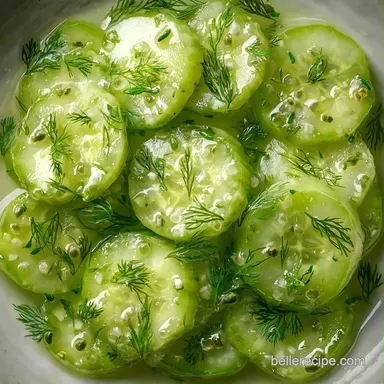
Old Fashioned Coriander Seed Refrigerator Pickles
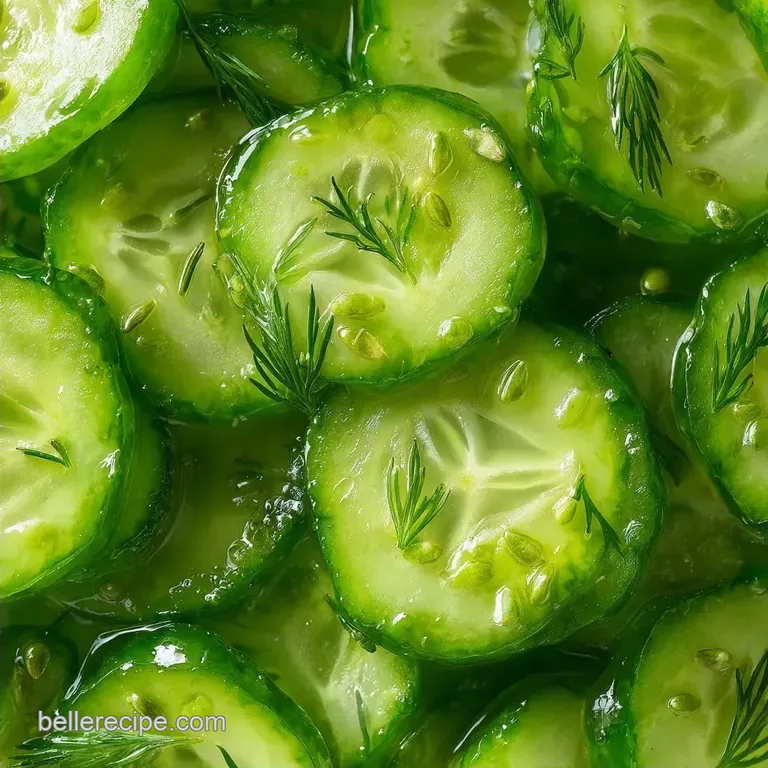
- Time:15 minutes active + 24 hours chilling
- Flavor/Texture Hook: Citrusy, floral, and shatter crisp
- Perfect for: Meal prep, burger toppings, or a sunny weekend brunch
- Coriander Refrigerator Pickles
- The Secrets to Better Crunch
- Brine and Produce Specs
- Deep Dive Into Ingredients
- Tools for the Job
- From Prep to Plate
- Fixing Common Pickle Problems
- Creative Twists and Swaps
- Keeping Them Fresh
- Great Pairing Ideas
- Debunking Pickle Myths
- Critical Sodium Level
- Recipe FAQs
- 📝 Recipe Card
Coriander Refrigerator Pickles
Ever wonder why some pickles taste like a generic grocery store shelf while others taste like a sunny summer afternoon in a garden? It usually comes down to the spices. Most people stick to dill, but adding coriander seeds creates this bright, almost lemony profile that cuts right through the vinegar.
I remember the first time I tried this. I had a massive haul of Kirby cucumbers from a local farm that were taking over my kitchen counter. I wanted something different from the standard dill pickle, so I tossed in a handful of coriander seeds.
The moment the hot brine hit those seeds, the kitchen smelled like a mix of fresh citrus and warm pepper.
These Coriander Refrigerator Pickles are for anyone who wants a quick win in the kitchen. You don't need to worry about water baths or pressure canners. You just prep, pour, and wait. The result is a snack that's comforting, mindful, and meant for sharing with friends over a big platter of sandwiches.
The Secrets to Better Crunch
Right then, let's talk about why this method actually works. You might be tempted to just throw everything in a jar and shake it, but the hot brine approach does something specific to the cucumber's structure.
Heat Infusion: Heating the vinegar and spices wakes up the oils in the coriander and mustard seeds. This means the flavor penetrates the cucumbers faster and more evenly.
Salt Draw: The salt in the brine pulls out excess water from the cucumber cells. This creates space for the vinegar and spices to move in, which prevents the pickle from tasting like raw cucumber on the inside.
Temperature Shock: Pouring hot liquid over the veg and then moving them to the fridge creates a temperature shift that helps maintain a snap. It's about balance, not boiling the life out of them.
Sugar Balance: A small amount of sugar doesn't make these sweet, but it rounds off the sharp edges of the distilled vinegar. It makes the overall flavor feel more integrated and less like a shot of acid.
| Method | Time to Flavor | Texture | Best For |
|---|---|---|---|
| Hot Brine | 24 hours | Firm & Snappy | long-term fridge storage |
| Cold Soak | 4-6 hours | Softer/Fresh | Immediate snacking |
| Fermented | 2-4 weeks | Tangy & Complex | Probiotic health |
Brine and Produce Specs
When you're putting together your jars, the quality of the ingredients determines whether you get a velvety garlic flavor or a bitter one. I always use sea salt because it doesn't have the anti caking agents that can make your brine look cloudy.
| Ingredient | Science Role | Pro Secret |
|---|---|---|
| Coriander Seeds | Aromatic Base | Toast them in a dry pan for 60 seconds for more depth |
| White Vinegar | Preservative | Use 5% acidity for the most consistent tang |
| Sea Salt | Texture Control | Avoid iodized salt to keep the brine crystal clear |
| Kirby Cucumber | Structural Base | Keep the skin on for that classic "shatter" crunch |
Deep Dive Into Ingredients
For this recipe, I use Kirby or Persian cucumbers. Kirby are those bumpy ones that stay firm, while Persians are smoother and more delicate. Both work, but the Kirby gives you that old-fashioned crunch.
- 1.5 lbs Kirby or Persian cucumbers, sliced into 1/8 inch coins Why this? Uniform thickness ensures every slice cures at the same rate
- 6 cloves garlic, smashed Why this? Smashed cloves release more oils than minced ones
- 4 sprigs fresh dill Why this? Adds a grassy, fresh note to balance the spices
- 2 cups white distilled vinegar Why this? Provides the clean, sharp acidity needed for preservation
- 1 cup water Why this? Dilutes the vinegar so it doesn't overpower the coriander
- 2 tbsp sea salt Why this? Draws out moisture and seasons the veg
- 2 tbsp granulated sugar Why this? Balances the acidity without adding sweetness
- 2 tsp whole coriander seeds Why this? Gives the pickles their signature citrusy aroma
- 1 tsp mustard seeds Why this? Adds a subtle, peppery background note
- 1/2 tsp red pepper flakes Why this? Provides a tiny hint of warmth at the end
If you're looking for a different flavor profile, you could try my garlic pickle brine for a more savory, pungent result. But for these, stick to the coriander.
Tools for the Job
You don't need a professional kitchen for this. A few basic items will do. I highly recommend a mandolin for the cucumbers. It's the only way to get those 1/8 inch coins perfectly even. If you don't have one, a sharp chef's knife is fine, just take your time.
You'll also need two quart sized Mason jars. Glass is a must because the vinegar can react with plastic or metal over time. A small stainless steel saucepan is best for the brine since it doesn't react with the acid.
From Prep to Plate
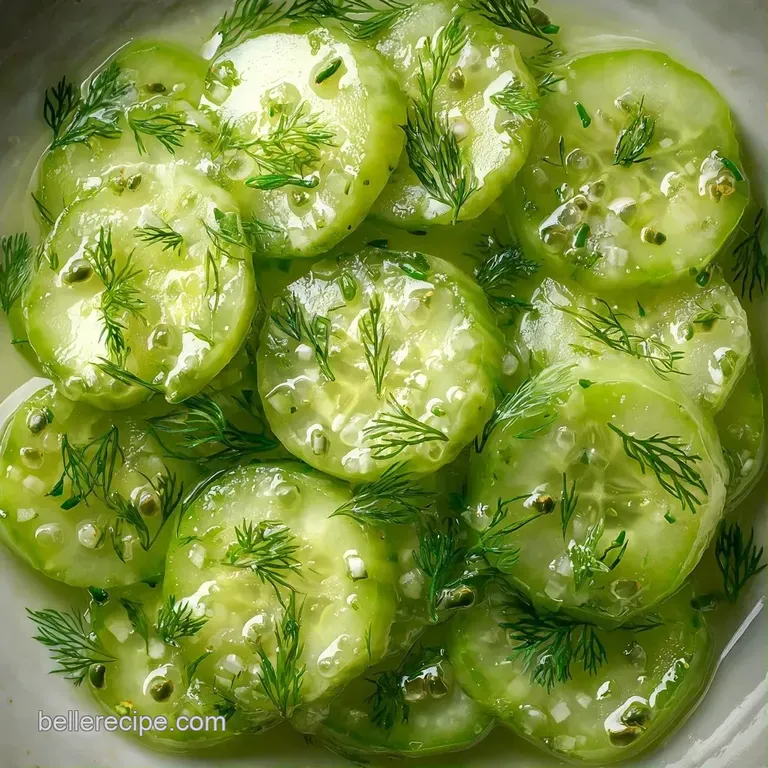
Let's crack on. Pay attention to the smells here, as they tell you when the brine is ready.
- Slice the cucumbers into uniform 1/8 inch coins using a mandolin or sharp chef's knife.
- Divide the smashed garlic cloves, fresh dill sprigs, and coriander seeds evenly between two clean quart sized Mason jars. Note: Smashing the garlic instead of chopping it prevents the brine from getting murky.
- Pack the cucumber slices tightly into the jars, pressing down firmly to minimize air gaps.
- Combine the white distilled vinegar, water, sea salt, and granulated sugar in a small stainless steel saucepan over medium heat.
- Stir occasionally until the sugar and salt have completely dissolved and the liquid reaches a gentle simmer, then remove from heat immediately. Wait for that fragrant, vinegary steam to hit your nose.
- Carefully pour the hot brine over the cucumbers, ensuring they are fully submerged. Top off with cold water if necessary.
- Seal the lids tightly and let the jars sit on the counter until they reach room temperature.
- Transfer the jars to the refrigerator and chill for 24 hours before serving. Open the jar after a day to experience the full citrusy bloom.
Fixing Common Pickle Problems
Even the best of us make mistakes. I once forgot to pack my cucumbers tightly, and half of them floated to the top. They didn't pickle properly and ended up tasting like warm vinegar. It was a disaster, but I learned my lesson.
Why Your Pickles Soften
If your slices are mushy, you probably overheated the brine or used cucumbers that were already starting to wilt. Make sure your brine is just simmering, not boiling violently.
Why Your Brine Tastes Flat
A bland brine usually means the salt didn't dissolve completely or the vinegar ratio was off. Always stir the brine until you can't see any crystals at the bottom of the pan.
Stopping Floating Veggies
When cucumbers float, they don't absorb the flavors. Press them down firmly with a spoon or use a small glass weight to keep them submerged.
| Problem | Root Cause | Solution |
|---|---|---|
| Mushy Texture | Overboiled brine | Remove from heat at first simmer |
| Dull Flavor | Low salt/vinegar | Double check measurements with a scale |
| Cloudy Liquid | Iodized salt used | Switch to pure sea salt or kosher salt |
Common Mistakes Checklist
- ✓ Use chilled cucumbers before slicing for extra snap
- ✓ Ensure garlic is smashed, not minced
- ✓ Press cucumbers down to remove air bubbles
- ✓ Let jars reach room temperature before refrigerating
- ✓ Use a non reactive pot (stainless steel) for the brine
Creative Twists and Swaps
I love this base recipe because it's so flexible. If you want to experiment, you can easily pivot the flavor. For those who want a "Coriander Seed Refrigerator Pickles No Sugar" version, just leave out the granulated sugar.
The pickles will be sharper and more acidic, which is actually great for cutting through fatty meats.
If you're out of coriander seeds, you can use a mix of celery seeds and a pinch of lemon zest. It won't be the same, but it'll be close. For a spicier kick, double the red pepper flakes or add a sliced jalapeño to each jar.
Some people prefer Seed Refrigerator Pickles with a touch of sweetness. In that case, swap the white sugar for honey or maple syrup. Just know that honey will make the brine slightly thicker and more opaque.
| Original Ingredient | Substitute | Why It Works |
|---|---|---|
| White Distilled Vinegar | Apple Cider Vinegar | Similar acidity. Note: Adds a fruitier, milder tang |
| Granulated Sugar | Maple Syrup | Same sweetness. Note: Gives a richer, earthy undertone |
| Fresh Dill | Dried Dill Weed | Concentrated flavor. Note: Use 1 tsp dried per sprig |
Keeping Them Fresh
These Coriander Refrigerator Pickles will stay crisp in the fridge for about 3 to 4 weeks. Just make sure you use a clean fork every time you grab some. Introducing bacteria from your fingers is the fastest way to make them go soft.
You can't really freeze pickles, the water in the cucumbers expands and destroys the cell walls, leaving you with a soggy mess. Just keep them chilled.
Don't throw away the leftover brine! It's packed with flavor. I use it as a base for a zesty salad dressing or as a marinade for grilled chicken. It's a great way to ensure zero waste. If you have leftover cucumber ends that were too small to slice, toss them into the jar too.
Great Pairing Ideas
These are so versatile. I love them on a classic deli sandwich or sliced up on a charcuterie board with some sharp cheddar and salty salami. The floral notes of the coriander make them an interesting contrast to rich cheeses.
For a real treat, try them on a burger with some spicy chipotle mayo. The creaminess of the mayo and the snap of the pickles are a match made in heaven.
They also work surprisingly well as a side for grilled fish or roasted pork. The acidity cleanses your palate between bites. If you're feeling fancy, serve them alongside some chilled shrimp cocktail for a sunny, sharing style appetizer.
Quick Decision Guide:
- If you want more heat, add a sliced habanero to the jar.
- If you want more "deli" flavor, increase the garlic to 10 cloves.
- If you want a cleaner taste, use Persian cucumbers instead of Kirbys.
Debunking Pickle Myths
One thing I hear all the time is that you have to can your pickles for them to be safe. That's simply not true for refrigerator pickles. As long as they stay chilled and have enough vinegar, they are perfectly safe for a few weeks. Canning is for long-term shelf storage, not for a quick snack.
Another myth is that adding sugar makes pickles "sweet." In a recipe like this, 2 tablespoons of sugar for two quarts of liquid is barely noticeable. It's not about sweetness; it's about balancing the pH level so the vinegar doesn't burn your throat.
Critical Sodium Level
2652 mg 2652 mg of sodium per serving (115% 115% of daily value)
The American Heart Association recommends a daily sodium limit of no more than 2,300 mg, with an ideal limit of 1,500 mg for most adults to reduce cardiovascular risk.
Strategies to Reduce Sodium in Your Pickles
-
Reduce Sea Salt-25%
Cut the sea salt from 2 tablespoons down to 1 tablespoon to significantly lower the sodium content while maintaining some brine structure.
-
Use Salt Substitutes-20%
Replace a portion of the sea salt with a potassium-based salt substitute to maintain the salty taste with less sodium.
-
Boost Acidity-10%
Increase the white distilled vinegar or add a splash of lemon juice to provide a sharper tang that compensates for less salt.
-
Enhance Aromatics
Double the amount of fresh dill and smashed garlic to create a bolder flavor profile that reduces the reliance on salt.
Recipe FAQs
How to make homemade pickles with white vinegar?
Combine white distilled vinegar, water, sea salt, and sugar in a saucepan. Heat the mixture until dissolved and simmering, then pour the hot brine over cucumbers and spices packed in Mason jars.
Do homemade vinegar pickles need to be refrigerated?
Yes, these must stay chilled. Because they aren't processed in a water bath, the refrigerator prevents spoilage and maintains that shatter-crisp texture.
How to make sweet pickles without canning?
Dissolve granulated sugar and sea salt into a simmering vinegar brine. Pour the hot liquid over sliced cucumbers and store the jars in the fridge instead of using a pressure canner.
How long does it take for the flavors to develop in the pickle?
Allow at least 24 hours of chilling. This window allows the hot brine to infuse the coriander and garlic flavors deep into the cucumber coins.
Which is the best and simplest homemade pickle for beginners?
Refrigerator pickles are the easiest choice. They require no special equipment and pair perfectly with a side of hearty cowboy beans.
How to make simple dill pickles with a crisp texture?
Slice Kirby or Persian cucumbers into 1/8-inch coins. Pack them tightly into jars with fresh dill and garlic, then cover them with a hot brine to lock in the crunch.
Is it true you can pickle cucumbers using only vinegar without water?
No, this is a common misconception. Adding water balances the acidity, preventing the pickles from tasting overly harsh or medicinal.
Coriander Refrigerator Pickles in 20 Min