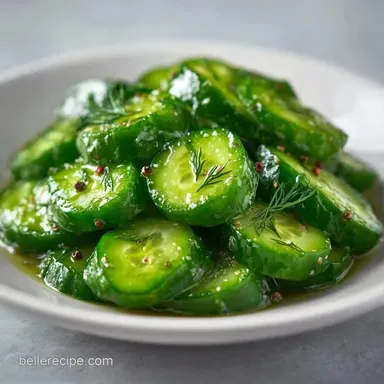
Refrigerator Pickles: Small Batch and Crispy
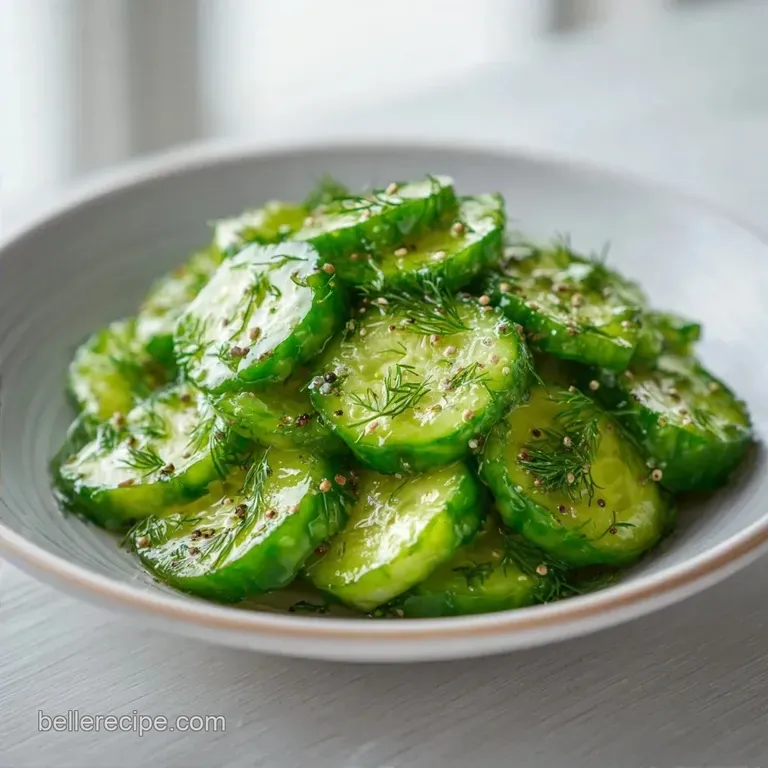
- Time:15 minutes active + 24 hours chilling
- Flavor/Texture Hook: Shatter crisp crunch with a sharp, garlic heavy tang
- Perfect for: Quick meal prep, burger nights, or a mindful snack
The first thing that hits you is that sharp, clean scent of white vinegar mixing with fresh, grassy dill. It's a smell that instantly reminds me of sunny July afternoons and the sound of a heavy cooler clicking shut.
I remember one specific summer where I tried to make a massive batch of canned pickles, but I rushed the process and ended up with something that tasted like salty mush. It was a total letdown.
That's why I shifted to this method. There's something so comforting about the simplicity of a jar that just sits in your fridge, getting better every hour. You don't need a boiling water bath or a degree in food safety to get a result that feels high-quality.
These Refrigerator Pickles are all about the contrast. You get that bright, acidic snap that cuts right through a rich burger or a creamy dip. It's a sharing kind of food, the kind you put in a bowl in the middle of the table and watch disappear in minutes.
Easy and Crunchy Refrigerator Pickles
Most people think you need to spend a whole day canning to get a good pickle, but that's just not true. I've found that skipping the Long-term preservation process actually keeps the cucumbers firmer. When you avoid the heavy heat of a canning pot, the cell walls of the vegetable don't break down as much.
The secret is in the cooling phase. By pouring a hot brine over cold cucumbers and then moving them to the fridge, you create a sort of "flash chill" effect. This keeps the center of the slice from getting soft. Many recipes tell you to let them sit on the counter for days, but for a small batch refrigerator pickles recipe, the fridge is where the magic happens.
Honestly, don't even bother with English cucumbers here. They're too watery. If you use them, your brine will get diluted and you'll lose that sharp bite. Stick to the thicker skinned varieties. It's a small detail, but it's the difference between a pickle that shatters and one that bends.
Flavor Map
- Bright: White distilled vinegar and fresh dill
- Earthy: Smashed garlic and black peppercorns
- Balanced: A pinch of sugar to soften the acid
- Sharp: Pure distilled vinegar base
Why Most Recipes Fail
A lot of the advice online is geared toward Long-term pantry storage, which is a completely different ballgame. When you're making batch refrigerator pickles, the goals are different. You want immediate crunch and bold flavor, not a two year shelf life.
Salt Osmosis: Kosher salt pulls excess water out of the cucumber cells. This makes room for the vinegar to seep in without watering down the flavor.
Thermal Penetration: Using a hot brine forces the liquid into the vegetable faster. It creates a tighter bond between the brine and the slice.
Acidic Barrier: The vinegar lowers the pH level quickly. This stops enzymes from breaking down the pectin, which is what keeps the pickle from turning into mush.
Sugar Modulation: A small amount of sugar doesn't make it "sweet" but it removes the harsh metallic edge of the distilled vinegar.
| Method | Time | Texture | Best For |
|---|---|---|---|
| Refrigerator | 24 hours | Shatter crisp | Fresh snacks, sandwiches |
| Water Bath | 2-4 weeks | Slightly softer | Long-term storage, gifting |
| Fermented | 2-3 weeks | Complex/Funky | Gut health, traditional taste |
Detailed Recipe Specs
The beauty of this approach is that it's incredibly forgiving. You aren't fighting against a pressure cooker or worrying about seal failures. You just need a clean jar and a few minutes at the stove.
For these Refrigerator Pickles, I prefer a pint sized mason jar. It's the right scale for a household that wants fresh pickles without having a gallon of them taking up the entire fridge shelf.
Component Analysis
| Ingredient | Science Role | Pro Secret |
|---|---|---|
| Kirby Cucumber | Structural Base | Keep the skin on for maximum snap |
| Distilled Vinegar | Preservation | Use 5% acidity for consistent results |
| Kosher Salt | Texture Control | Avoid table salt to prevent cloudiness |
| Fresh Dill | Aromatic Profile | Chop roughly to release more oils |
The Shopping List
When you're picking out your produce, look for cucumbers that feel heavy for their size. If they feel light or hollow, they're already drying out, and your pickles will be bland. I always grab Kirby or Persian varieties because they have a denser seed structure.
The brine is where the balance happens. I use filtered water because minerals in tap water can sometimes react with the vinegar, leaving a weird aftertaste or making the liquid look foggy.
Ingredients: 1 lb Kirby or Persian cucumbers, sliced into 1/4 inch rounds Why this? Thick skins prevent mushiness 3 cloves garlic, smashed Why this? Smashed releases more allicin/flavor 3 sprigs fresh dill, roughly chopped Why this? Fresh is far more aromatic than dried 1 tsp peppercorns Why this? Adds a subtle, woody heat 1 cup white distilled vinegar Why this? Clean, sharp acidity 1 cup filtered water Why this? Prevents mineral cloudiness 1 tbsp kosher salt Why this? Pure salt without iodine additives 1 tbsp granulated sugar Why this? Balances the sharp vinegar
Substitution Options:
| Original Ingredient | Substitute | Why It Works |
|---|---|---|
| White Vinegar | Apple Cider Vinegar | Fruitier, milder taste. Note: Brine will be amber |
| Fresh Dill | Dill Seed (1 tsp) | Similar flavor profile. Note: Less "fresh" aroma |
| Granulated Sugar | Maple Syrup (1 tbsp) | Natural sweetness. Note: Adds a hint of molasses |
Essential Kitchen Gear
You don't need a professional setup, but one rule is non negotiable: use a non reactive saucepan. This means stainless steel or enamel. If you use an old aluminum pot, the vinegar will react with the metal and give your Refrigerator Pickles a strange, metallic taste.
I use a standard pint sized glass mason jar. Glass is essential because plastic can absorb the vinegar smell and might leach chemicals when the hot brine is poured in.
A sharp knife or a mandoline is helpful for the 1/4 inch slices. Consistency matters here. If some slices are thick and some are thin, the thin ones will be over pickled while the thick ones stay bland.
Step-by-step Process
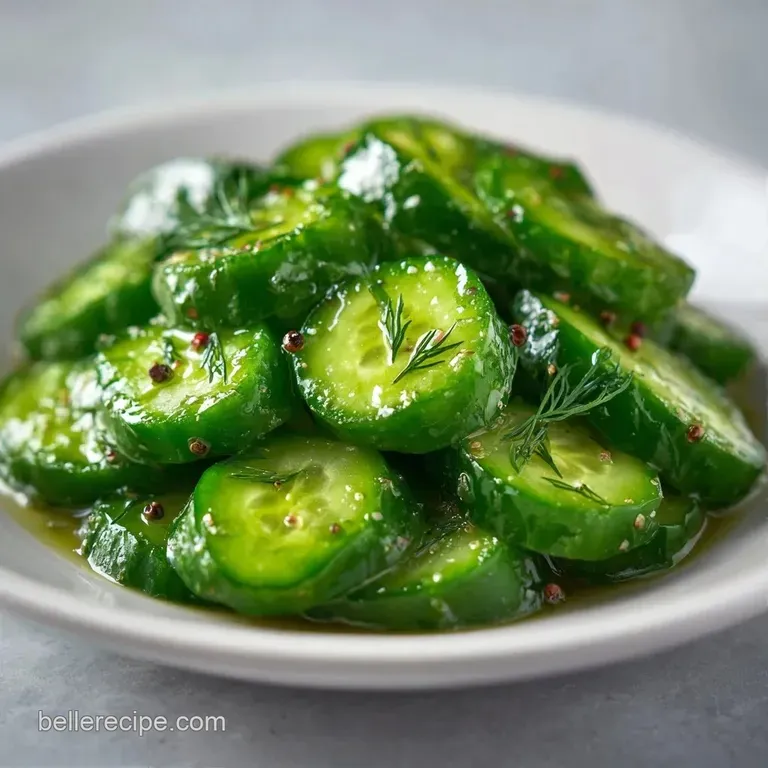
Right then, let's get into the actual making. This is the part where we build the layers.
Jar Prep
Pack the smashed garlic cloves and fresh dill sprigs at the bottom of your jar. Note: This ensures the strongest flavors are at the base where the brine settles first.
Layering
Layer the sliced cucumbers on top of the herbs. Press them down firmly with your hand until they are packed tight and no longer float.
Simmering
Combine the white distilled vinegar, filtered water, kosher salt, and granulated sugar in your saucepan over medium high heat.
Dissolving
Whisk the liquid constantly until the salt and sugar have completely dissolved and you see a gentle simmer.
The Pour
Carefully pour the hot brine over the cucumbers. Leave about 1/2 inch of headspace at the top of the jar. Note: The heat helps the brine penetrate the skins faster.
The Cool Down
Allow the jar to sit on the counter until the glass is cool to the touch. This prevents the glass from cracking and protects the cucumber texture.
Chilling
Seal the lid tightly and move the jar to the refrigerator. Let them sit for 24 hours before opening.
Final Touch
Give the jar a gentle shake before serving to redistribute the dill and garlic.
Fixing Common Mistakes
The most common issue I see is the "bend test" failure. If your pickles bend instead of snapping, it's usually a problem with the cucumber choice or the temperature. Using hothouse cucumbers (the long, plastic wrapped ones) almost always leads to a softer result.
Another issue is cloudy brine. This usually happens if you use table salt with iodine or if your tap water is very "hard." Switching to kosher salt and filtered water usually clears this right up.
Why Your Pickles Are Mushy
This happens when the cucumbers are overcooked by the brine or were too watery to start. If you pour the brine in while it's at a rolling boil, you might "cook" the cucumber.
Why the Brine is Cloudy
Cloudiness is often a mineral reaction. If you see a milky haze, it's usually the iodine in the salt or minerals in the water. It's safe to eat, but not as pretty.
Tasting Too Salty
If the brine is overpowering, you might have used a finer salt than kosher. Different salts have different densities.
| Problem | Root Cause | Solution |
|---|---|---|
| Soft Texture | Wrong cucumber type | Use Kirby or Persian varieties |
| Cloudy Liquid | Iodine in salt | Use pure Kosher or sea salt |
| Bland Taste | Not chilled long enough | Wait the full 24 hours |
Common Mistakes Checklist:
- ✓ Used a non reactive pot (no aluminum)
- ✓ Packed cucumbers tightly to prevent floating
- ✓ Waited for the jar to cool before sealing
- ✓ Used filtered water to avoid cloudiness
- ✓ Chilled for a full 24 hours
Creative Flavor Twists
Once you've nailed the basic batch refrigerator pickles, you can start playing with the aromatics. I love adding a few slices of fresh jalapeño for a spicy kick. If you want something more complex, try adding a teaspoon of mustard seeds.
If you're looking for a different cut, check out these garlic dill spears for a more classic deli feel. The spears take a bit longer to brine through, but they're great for sandwiches.
For those who prefer a sweeter vibe, you can increase the sugar to 3 tablespoons and add a sliced onion. This turns them into a "bread and butter" style pickle.
Adding Heat
Drop in 2 cloves of Thai bird's eye chilies or a pinch of red pepper flakes.
Vegetable Swaps
You can use this same brine for sliced carrots, cauliflower, or radishes.
Sugar-free Version
Replace the granulated sugar with a pinch of stevia or simply omit it. The flavor will be more aggressive and vinegary.
Storage and Waste
These Refrigerator Pickles will stay crunchy in the fridge for about 3 to 4 weeks. Just make sure you always use a clean fork to take them out. Introducing bacteria from a used fork can make the brine cloudy and shorten the shelf life.
Do not freeze these. Freezing destroys the cell structure of the cucumber, and they will turn into mush the moment they thaw.
Zero Waste Tip: Don't toss the brine! It's basically a seasoned vinegar. I use leftover pickle brine as a marinade for chicken or to add a punch of acidity to potato salad. If you need a larger amount of liquid for a different project, you can follow my homemade pickle brine guide.
Best Serving Suggestions
The acidity of these pickles makes them the ultimate partner for rich, fatty foods. I always serve them alongside a grilled burger. For a truly indulgent meal, pair them with some Big Mac sauce on a toasted brioche bun.
They also work beautifully on a modern charcuterie board. Place them next to some sharp cheddar, salty salami, and a bit of honey. The vinegary snap cleanses the palate between the heavy cheeses.
Another great use is in a tuna or chicken salad. Chop the pickles into tiny bits and fold them in. It adds a bright, popping texture that you just can't get from store-bought relish.
Trust me, once you have a jar of these in your fridge, you'll never go back to the store-bought version. It's a small, mindful addition to your kitchen that makes every sandwich feel like it came from a high end deli. Let's crack on and get pickling!
Critical Sodium Level
1755 mg 1755 mg of sodium per serving (76% 76% of daily value)
The American Heart Association recommends a daily limit of no more than 2,300 mg of sodium, and an ideal limit of 1,500 mg for most adults to lower blood pressure.
Tips to Reduce Sodium
-
Reduce Kosher Salt-30%
Cut the kosher salt amount by half; since it is the primary sodium source, this has the most significant impact.
-
Use Salt Substitutes-30%
Replace a portion of the kosher salt with a potassium-based salt substitute to maintain the savory profile.
-
Boost Acidity-15%
Add a splash of lemon juice or use apple cider vinegar alongside the white vinegar to mimic the 'zing' of salt.
-
Increase Aromatics-10%
Double the amount of smashed garlic or add red pepper flakes to provide a stronger flavor punch.
-
Expand Fresh Herbs
Increase the fresh dill or add mustard seeds to enhance the overall flavor complexity without adding any sodium.
Recipe FAQs
What is the ratio of vinegar to water for refrigerator pickles?
Use a 1:1 ratio. Combining 1 cup white distilled vinegar with 1 cup filtered water creates a perfectly balanced brine.
How to make homemade pickles with white vinegar?
Simmer white distilled vinegar, water, salt, and sugar in a saucepan. Pour this hot brine over cucumbers, garlic, and dill in a jar and refrigerate for 24 hours.
Do homemade dill pickles in vinegar need to be refrigerated?
Yes, they must stay chilled. Since these aren't heat-processed for canning, the refrigerator prevents spoilage; they are the perfect topping for a Reuben sandwich.
Is it safe to make refrigerator pickles?
Yes, provided they are stored in the fridge. The high acidity of the vinegar inhibits bacterial growth, making them a safe, quick alternative to canned versions.
Can I make a small batch of pickles?
Yes, simply scale the ingredients. Use a smaller mason jar while maintaining the 1:1 vinegar and water ratio to ensure the flavor remains consistent.
Is it true you can pickle with just vinegar and no water?
No, this is a common misconception. Using only vinegar creates an overwhelming acidity that masks the fresh taste of the cucumbers.
What is the 321 rule for pickles?
It is a simplified ratio for brine. This rule generally refers to parts of vinegar, water, and salt to help cooks remember proportions without needing a scale.
Refrigerator Pickles in 20 Minutes