Spaghetti Squash Alfredo: Velvety & Decadent
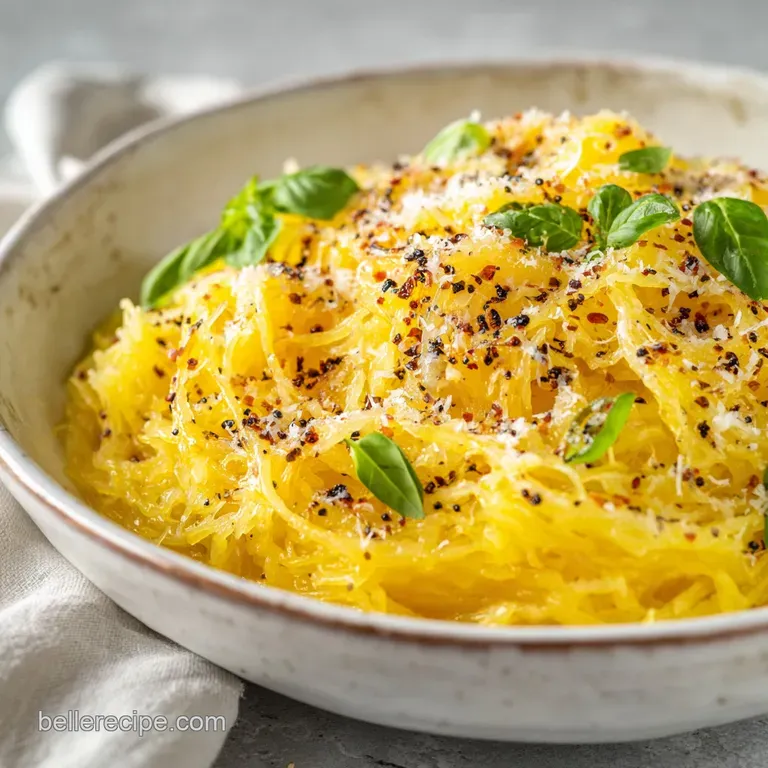
- Time: Active 15 minutes, Passive 45 minutes, Total 60 minutes
- Flavor/Texture Hook: Silky, buttery strands with a savory garlic parm punch
- Perfect for: Cozy weeknight dinners or a keto friendly date night
- The Science of Creating Perfect Spaghetti Squash Alfredo
- Essential Metrics for Success in the Kitchen
- The Mindful Selection of Each Creamy Component
- Tools That Transform Simple Ingredients into Art
- The Art of Assembling Your Squash Alfredo
- Solving the Riddle of the Watery Sauce
- Exploring Flavor Variations for Your Unique Palate
- Storage & Reheating
- How to Serve and Enjoy
- High in Sodium ⚠️
- Recipe FAQs
- 📝 Recipe Card
The Science of Creating Perfect Spaghetti Squash Alfredo
The first time I tried making this, I ended up with a literal puddle of yellow water on my plate. It was heartbreaking because I could smell the garlic and butter, but the texture was just... sad. I realized that the "noodle" isn't a noodle at all; it’s a cellular structure held together by pectin and moisture.
If you don't treat that moisture with respect, it will betray your sauce every single time.
Now, when I hear that low frequency sizzle of the squash roasting in the oven, I know I'm doing it right. There’s something so meditative about the way the kitchen starts to smell like toasted pumpkin seeds and caramelized onions.
It’s a scent that tells me comfort is coming, but a kind of comfort that won't leave me feeling sluggish.
We’ve all been there, staring at a massive squash on the counter, wondering if it’s worth the effort of hacking it in half. Trust me, it is. The way the strands pull away from the skin, long and golden, is one of those small kitchen miracles that never gets old.
We're going to build layers of flavor here from the Maillard reaction on the squash flesh to the gentle emulsification of the cream cheese to ensure every forkful is vibrant and rich.
The Physics of the Squash Strand: over High heat roasting triggers evaporation of internal water, which concentrates the natural sugars and firms up the pectin walls of the vegetable fibers. This prevents the squash from releasing excess liquid when it finally meets the warm, heavy sauce.
Chef Tip: For the longest "noodles," cut your squash crosswise into rings instead of lengthwise. The strands grow in circles around the core!
Essential Metrics for Success in the Kitchen
Before we get our hands messy, let's look at how the cooking method changes the character of your base. While some people swear by the microwave, I find it leaves the squash tasting a bit "steamed" and bland. If you want that deep, nutty profile, the oven is your best friend.
| Method | Time | Texture | Best For |
|---|---|---|---|
| Conventional Oven | 45 minutes | Nutty, firm, caramelized | Maximum flavor and "al dente" feel |
| Air Fryer (Halved) | 30 minutes | Very crispy edges, tender | Quick meals for two people |
| Microwave (Steamed) | 12 minutes | Soft, watery, pale | When you are in a massive rush |
I remember a Tuesday night when I tried the microwave method because I was starving. The result was fine, but it lacked that "soul" that comes from a slow roast. It’s like the difference between a quick text and a handwritten letter. If you have the time, let that oven do its magic.
The Mindful Selection of Each Creamy Component
The secret to a sauce that doesn't break is understanding your fats. We aren't just throwing things in a pan; we are creating a stable emulsion. The cream cheese here acts as a stabilizer, providing a bridge between the heavy cream and the parmesan.
| Ingredient | Science Role | Pro Secret |
|---|---|---|
| Heavy Cream | Primary Fat Base | Use room temp cream to prevent the sauce from "shocking" and breaking |
| Cream Cheese | Emulsifier | Choose full fat blocks; the stabilizers in low-fat versions can turn grainy |
| Parmesan | Umami & Thickener | Always grate from a wedge; pre shredded cheese is coated in potato starch |
When you’re selecting your squash, look for one that feels heavy for its size. That weight usually means it hasn't lost its internal moisture to age. A dull skin is actually a good sign it means the squash is fully ripe and the starches have converted to sugars. If you’re looking to add a bit more "heft" to the meal, this dish is the cousin to my Steak with Alfredo recipe, which uses a similar base for a much more indulgent protein.
Ingredients & Substitutes
- 1 large spaghetti squash (approx. 3 lbs): The star. Why this? Provides the structural "noodle" base without the heavy starch of wheat. (Sub: Zucchini noodles, though they are much wetter)
- 2 tbsp olive oil: For roasting. (Sub: Avocado oil)
- 1 tsp kosher salt: Drawing out moisture. (Sub: Sea salt)
- 1/2 tsp cracked black pepper: Subtle heat. (Sub: White pepper for a cleaner look)
- 4 tbsp unsalted butter: The flavor carrier. (Sub: Ghee for a nuttier aroma)
- 3 cloves garlic, minced: Aromatic backbone. (Sub: 1 tsp garlic powder in a pinch)
- 1 cup heavy cream: The velvety body. (Sub: Full fat coconut milk for a dairy-free twist)
- 4 oz cream cheese: For stability and tang. Why this? Its lactic acid and emulsifiers keep the sauce perfectly smooth. (Sub: Mascarpone for a sweeter, richer finish)
- 1 cup freshly grated parmesan cheese: Salty finish. (Sub: Pecorino Romano for more "funk")
- 1/4 tsp ground nutmeg: The "hidden" note. (Sub: Mace)
- 2 cups cooked chicken breast, sliced: Protein boost. (Sub: Roasted chickpeas for a vegetarian option)
- 2 cups fresh baby spinach: Color and nutrients. (Sub: Sautéed kale or arugula)
Tools That Transform Simple Ingredients into Art
You don't need a professional kitchen, but a few specific items make this much easier. A heavy chef's knife is non negotiable for getting through that squash skin safely. I also highly recommend a sturdy baking sheet that won't warp at 400°F.
- Large Chef's Knife: For that first, intimidating cut through the center.
- Sturdy Baking Sheet: To hold the squash during its long roast.
- Large Skillet (12 inch): Essential for tossing the strands without them flying over the sides.
- A Metal Spoon: For scraping out the seeds (don't use plastic, you need the edge).
- Microplane: For grating that fresh parmesan and nutmeg.
If you find yourself making pasta style dishes often, having a good scraper or a wide skillet really helps with the "big toss" at the end. It reminds me of the technique in my Scraper Spaghetti recipe, where the right tool makes all the difference in getting that sauce to cling to every single strand.
The Art of Assembling Your Squash Alfredo
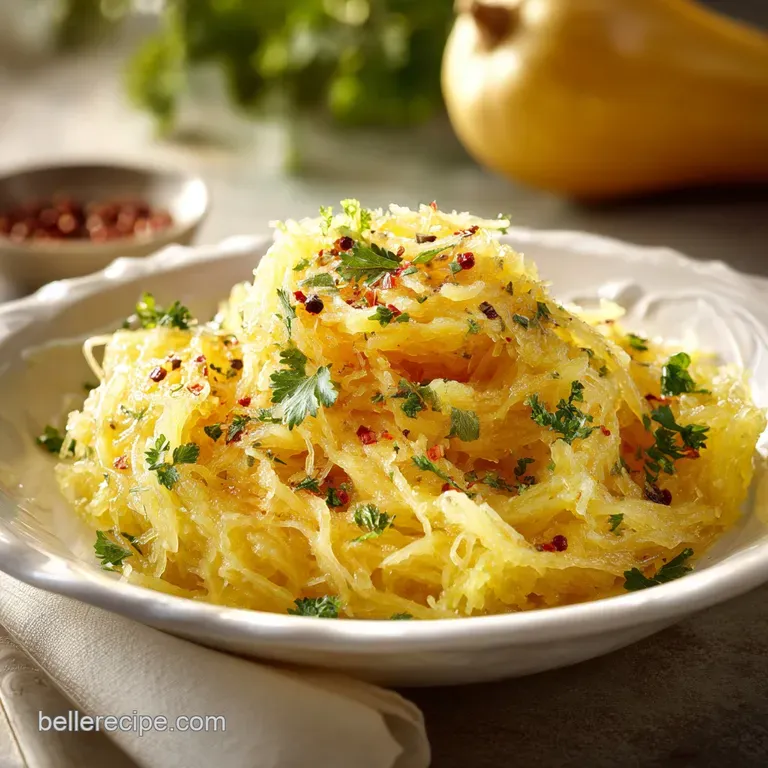
Phase 1: Roasting the "Noodles"
- Preheat oven to 400°F. Place your rack in the center position.
- Slice squash. Cut the ends off the squash, then stand it upright and slice it in half lengthwise. Note: Standing it up is much safer than trying to slice it while it rolls.
- Clean the cavity. Use a metal spoon to scrape out the seeds and stringy bits until the center is smooth and clean.
- Season well. Rub the interior with 2 tbsp olive oil, 1 tsp salt, and 1/2 tsp pepper.
- Roast the squash. Place face down on the baking sheet and bake for 45 minutes until the skin is easily pierced with a fork.
Phase 2: Crafting the Velvety Sauce
- Melt the butter. In your large skillet over medium heat, melt 4 tbsp butter until it begins to foam and smell nutty.
- Sauté garlic. Add the 3 cloves of minced garlic and cook for 1 minute until fragrant but not browned.
- Combine liquids. Whisk in 1 cup heavy cream and 4 oz cream cheese. Note: Whisk constantly to help the cream cheese melt into the cream.
- Season and thicken. Stir in 1 cup parmesan and 1/4 tsp nutmeg. Simmer for 3 minutes until the sauce coats the back of a spoon.
Phase 3: The Big Toss
- Incorporate extras. Fold in 2 cups sliced chicken and 2 cups baby spinach until the spinach just begins to wilt.
- Fluff the squash. Use a fork to pull the squash strands away from the skin.
- Combine everything. Add the squash "noodles" to the skillet. Toss gently for 2 minutes until every strand is shimmering with sauce.
Solving the Riddle of the Watery Sauce
The most common frustration with this dish is the "pool" of liquid that appears after five minutes of sitting. This usually happens because the squash continues to release moisture even after it's been roasted.
To Prevent the Water Pool
If you notice your squash is particularly juicy after roasting, don't just toss it in. Place the fluffed strands into a clean kitchen towel or a fine mesh strainer and let them sit for 5 minutes. Gently press to release the excess liquid. You'll be shocked at how much comes out!
This ensures your Alfredo stays thick and creamy rather than turning into a soup.
To Fix a Sauce That Is Too Thick
On the flip side, if your sauce looks like paste, it’s likely because the parmesan absorbed too much of the liquid. Don't panic. Add a splash of heavy cream or even a tablespoon of warm water. Whisk it vigorously over low heat. The emulsion will smooth right back out into a silky ribbon.
| Problem | Root Cause | Solution |
|---|---|---|
| Grainy Sauce | Cheese was added to boiling liquid | Remove from heat before adding Parmesan; whisk slowly |
| Mushy Noodles | Squash was overcooked or steamed | Roast cut side down; check for doneness at 40 minutes |
| Bland Flavor | Lack of acidity or salt | Add a squeeze of lemon or an extra pinch of salt at the end |
I once made the mistake of using "shaky bottle" cheese because I was out of the good stuff. Never again. The sauce felt like it had sand in it because those anti clumping agents just won't melt. If you're going to put in the effort to roast a squash, buy the wedge of Parmigiano Reggiano. Your taste buds will thank you.
Common Mistakes Checklist:
- ✓ Skipping the "sweat" step: If the squash looks wet, drain it before saucing.
- ✓ Adding cheese to a rolling boil: This causes the proteins to clump and turn grainy.
- ✓ Under seasoning the squash: The vegetable itself is quite sweet and needs salt to balance the cream.
- ✓ Crowding the roasting pan: Give the squash halves space so they roast rather than steam.
Exploring Flavor Variations for Your Unique Palate
Once you've mastered the basic Spaghetti Squash Alfredo, you can start playing with the profile. This dish is a canvas for whatever is in your fridge. If you love the herbaceous notes of summer, you might want to try incorporating elements from my Pesto Pasta Recipe, such as a swirl of basil oil right at the end.
For a Golden Crust
If you want to turn this into a spaghetti squash alfredo casserole, simply transfer the tossed mixture into a baking dish. Top it with an extra half cup of mozzarella and some panko breadcrumbs mixed with melted butter. Broil for 3-5 minutes until the top is bubbling and brown.
It adds a "shatter" crunch that contrasts beautifully with the silky interior.
For a Garlic Lover’s Dream
Instead of just sautéing the garlic, try roasting a whole head of garlic alongside the squash. Squeeze those softened, caramelized cloves directly into the cream sauce. It creates a much deeper, mellow sweetness that makes the easy spaghetti squash alfredo feel like a five star meal.
| Premium Ingredient | Budget Alternative | Flavor Impact | Savings |
|---|---|---|---|
| Fresh Nutmeg | Ground Nutmeg | Slightly less aromatic but still warm | Save $5.00 |
| Heavy Cream | Half and Half | Thinner sauce, less decadent | Save $2.00 |
| Fresh Spinach | Frozen Spinach (thawed/squeezed) | Darker color, same nutrients | Save $3.00 |
Storage & Reheating
Spaghetti squash is surprisingly resilient. You can keep the leftovers in an airtight container in the fridge for up to 4 days. However, the sauce will thicken significantly as it cools. When reheating, do it gently on the stovetop with a splash of milk or cream to loosen it back up.
I don't recommend the microwave for reheating as it tends to make the squash rubbery and can cause the butter in the sauce to separate.
Zero Waste Tip: Don't throw those seeds away! Toss them with a little olive oil and salt and roast them alongside the squash for 15 minutes. They are even better than pumpkin seeds and make a great crunchy topper for the final dish.
If you have leftover chicken, it’s also great for a quick lunch the next day tossed with some greens.
How to Serve and Enjoy
Presentation is everything when you're working with vegetables as-pasta. I love serving this right back in the squash shells. It looks rustic and beautiful, and it keeps the food hot for much longer. It’s a trick I learned when making my Juicy Steak Pasta recipe, where the warmth of the serving vessel really matters.
The Perfect Pairing
A crisp, acidic white wine like a Pinot Grigio or a Sauvignon Blanc cuts through the richness of the Alfredo sauce perfectly. For a side, a simple arugula salad with a lemon vinaigrette provides the necessary brightness to balance the heavy cream and cheese.
Myths About Squash Pasta
- Myth 1: "You have to salt the squash before roasting to get the water out." Truth: This actually makes the squash "weep" in the oven, leading to a steamed texture. Salt it immediately after it comes out of the oven for the best results.
- Myth 2: "Spaghetti squash tastes just like pasta." Truth: It doesn't, and that’s okay! It has a slightly sweet, nutty flavor and a distinct "snap." Embrace the vegetable for what it is rather than trying to hide it.
- Myth 3: "low-fat cream works just as well." Truth: Fat is what carries the flavor of the garlic and nutmeg. Using low-fat dairy will result in a flat tasting, watery sauce that won't cling to the strands.
There is a quiet joy in sitting down to a bowl of this Squash Alfredo. It’s a meal that feels like a hug, but one that respects your body’s needs. Whether you’re making this for a quiet Monday night or sharing it with friends who are exploring a keto lifestyle, it’s a recipe that proves you don't have to sacrifice flavor for health.
Every time I scrape that last bit of cheesy sauce from the bottom of the squash shell, I'm reminded that the best meals are the ones that make us feel good during and after we eat them.
High in Sodium ⚠️
875 mg 875mg of sodium per serving (38% 38% of daily value)
The American Heart Association recommends limiting sodium intake to about 2,300mg per day.
Tips to Reduce Sodium
-
Reduce Parmesan-15%
Parmesan cheese is a significant source of sodium. Reduce the amount of parmesan by half, substituting with nutritional yeast for a cheesy flavor with less sodium.
-
Limit Added Salt-15%
Reduce or eliminate the kosher salt. Taste the dish before adding any salt, as the parmesan and cream cheese already contain sodium. You can always add more later!
-
Unsalted Butter-10%
Ensure that you are using truly unsalted butter. Even a small amount of salt in the butter can add up. Double check the label to be sure!
-
Lower Sodium Cream Cheese-10%
Check the nutrition label for a lower sodium cream cheese option, or use Neufchâtel cheese, which is naturally lower in sodium, as a replacement.
-
Unseasoned Chicken-10%
Ensure your cooked chicken breast is unseasoned or cooked with herbs and spices instead of salt. Sodium levels can vary greatly in pre-cooked chicken.
-
Spice It Up
Enhance the flavor with sodium free herbs and spices. Consider adding more garlic, pepper, and nutmeg or incorporating other herbs like thyme or rosemary for depth of flavor.
Recipe FAQs
Must I roast the spaghetti squash before saucing it?
Yes, always roast first. Roasting at 400°F helps evaporate internal moisture, firming up the pectin walls so the strands don't turn into mush when they hit the warm Alfredo sauce.
How to prevent the cream cheese in the sauce from becoming grainy?
Remove the sauce from direct heat before adding the cheese. Add the parmesan and cream cheese while gently whisking once the heat is off; this prevents the cheese proteins from seizing up due to high temperature shock.
How to maximize the length and texture of the spaghetti squash strands?
Slice the squash crosswise into rings before roasting. When the squash is cooked, the strands grow in concentric circles, resulting in significantly longer "noodles" than when cutting lengthwise.
Is it true that using pre-shredded Parmesan cheese will ruin the Alfredo?
Yes, this is highly likely. Pre-shredded cheeses are often coated in potato starch or cellulose to prevent clumping, which prevents them from dissolving smoothly into your sauce.
What is the best way to reduce wateriness in leftover spaghetti squash Alfredo?
Gently press the cooked strands before saucing. After fluffing the squash, let the strands sit in a fine mesh strainer for five minutes to allow excess residual liquid to drain out before tossing them with the sauce.
Can I substitute the heavy cream with a non-dairy alternative?
Yes, but you must stabilize the fat. Use a full fat coconut milk or cashew cream, and consider adding a teaspoon of cornstarch mixed with cold water to help mimic the viscosity achieved by the heavy cream’s high fat content.
How can I transform this into a richer, casserole style dish?
Transfer the mixture to a baking dish and top it. Layer the sauced squash in a casserole dish, top generously with mozzarella, and broil for 3-5 minutes until golden brown for a crispy crust contrast.
Spaghetti Squash Alfredo
Ingredients:
Instructions:
Nutrition Facts:
| Calories | 778 kcal |
|---|---|
| Protein | 33.7 g |
| Fat | 58.9 g |
| Carbs | 28.5 g |
| Fiber | 5.3 g |
| Sugar | 9.1 g |
| Sodium | 875 mg |
