Great British Bakeoff Worthy Lemon Loaf Bright Buttery Glazed

- The Essential Guide to Baking the Perfect Lemon Pound Cake
- Mastering the Moist Crumb: Why the Creaming Method Matters
- Premium Pantry List: Sourcing Ingredients for Optimal Flavour
- Beyond the Basics: Professional Baking Tools for Consistency
- Step-by-Step Excellence: Building the Lemon Pound Cake Batter
- Crafting the Glaze and Perfecting the Presentation
- Baker’s Workshop: Troubleshooting and Expert Pro-Tips
- Extending the Life of Your Luxurious Lemon Pound Cake
- Recipe Variations: From Poppy Seeds to Earl Grey Infusion
- Recipe FAQs
- 📝 Recipe Card
The Essential Guide to Baking the Perfect Lemon Pound Cake
The perfect lemon pound cake is a marvel of texture and flavor, combining a crisp, buttery crust with an incredibly moist, dense crumb. This time honored baking project relies on precise ratios and techniques, transforming simple ingredients into a sophisticated dessert.
We are achieving the ultimate lemon pound cake by focusing specifically on ingredient temperature and meticulous mixing methods. Mastering this classic ultimately unlocks a whole new level of home baking confidence.
Mastering the Moist Crumb: Why the Creaming Method Matters
The foundation of any superior pound cake lies entirely in the creaming method, where air is mechanically incorporated into the fat and sugar structure. This trapped air creates essential lift, counteracting the natural heaviness of the butter rich batter.
A correctly creamed base prevents a tough texture and is the non-negotiable step required for achieving that signature melt-in-your mouth moist lemon pound cake texture.
Decoding the Density: Pound Cake vs. Layer Cake Structure
Pound cake traditionally contains equal weights of butter, sugar, flour, and eggs, resulting in its distinct, compact density. Unlike airy layer cakes that rely heavily on chemical leaveners, this lemon pound cake loaf gets most of its structure and rise from the air beaten into the butter.
This dense profile is what allows the loaf to hold up wonderfully to heavy glazes and long storage times.
The minimal use of baking powder here serves only to slightly refine the crumb, not to loft the cake substantially. This ensures the luxurious weight and satisfying chew associated with true, buttery lemon pound cake.
Essential Equipment for a Flawless Loaf
While complicated machinery is unnecessary, success in baking requires the right tools to ensure consistency and ease. A stand mixer is highly recommended for the rigorous 5– 7 minutes required for proper creaming, a task difficult to manage by hand.
Similarly, a high-quality microplane ensures you capture all the intense zest without incorporating bitter white pith.
| Tool | Purpose in Baking |
|---|---|
| Stand Mixer | Necessary for achieving maximum aeration |
| Parchment Sling | Ensures easy, damage free removal of the loaf |
| Microplane | Extracts fine zest without bitterness |
The Secret Weapon: Sour Cream for Supreme Tenderness
Introducing full fat sour cream into this recipe is the primary upgrade for creating a truly moist lemon pound cake. The fat content enrobes the gluten strands, inhibiting tough development during mixing and baking.
On top of that,, the mild acidity in the sour cream activates the small amount of baking powder, promoting a more even and tender rise throughout the loaf. This crucial addition differentiates a good loaf from an exceptional lemon pound cake with sour cream.
Premium Pantry List: Sourcing Ingredients for Optimal Flavour
The simplicity of pound cake demands high-quality ingredients for a truly flavourful result. Always use high-quality, unsalted butter, as it provides the cleanest, richest flavour and allows you complete control over the salt content.
Sifting the all-purpose flour before measuring is also a critical step to ensure the dry ingredients incorporate smoothly into the heavy batter without forming lumps.
For the liquid elements, using fresh lemon juice is non-negotiable; bottled juice lacks the vibrant aroma and sharp acidity necessary to cut through the richness. Remember that every dairy item and egg must be fully at room temperature before you begin the creaming process.
Beyond the Basics: Professional Baking Tools for Consistency
Professional bakers understand that consistency begins with precise measurement, especially in rich recipes like this buttery lemon pound cake. Using a kitchen scale to weigh the flour (280g) and sugar (350g) ensures far greater accuracy than volume measuring cups, which can compact ingredients unevenly.
Investing in a good oven thermometer is also wise, as even small fluctuations in temperature can drastically alter the cake's rise and final texture.
The Zest Test: Maximizing Lemon Brightness Without Bitterness
To maximize the signature brightness of this dessert, the lemon zest must be vigorously rubbed into the granulated sugar before creaming. This simple action releases the lemon's essential oils, infusing the sugar and amplifying the flavor throughout the entire batter.
Only the yellow part of the rind contains the fragrant oils, so avoid scraping into the bitter white pith, or albedo .
Room Temperature Rationale: Butter, Eggs, and Proper Emulsion
Achieving a homogeneous, high volume batter hinges on the proper temperature of your refrigerated ingredients. Cold butter and cold eggs struggle to combine effectively, leading to a curdled mixture that lacks the necessary structure.
Room temperature ingredients emulsify seamlessly, trapping maximum air and ensuring the resulting cake is tender and structurally sound.
Smart Substitutions for Dairy and Gluten Needs
Baking is adaptable, and slight modifications can accommodate common dietary needs without sacrificing the integrity of the ultimate lemon pound cake. When substituting, always prioritize ingredient temperature and fat content to maintain the characteristic moistness of the loaf.
gluten-free flours require specific handling, but the creaming technique remains the same.
| Ingredient | Recommended Substitution | Adjustment Notes |
|---|---|---|
| Sour Cream | Full Fat Greek Yogurt | Same measurement; texture may be slightly denser. |
| All-Purpose Flour | Measure for-Measure GF Blend | Ensure blend contains Xanthan Gum for structure. |
| Unsalted Butter | high-quality Vegetable Shortening (up to 50%) | Retain some butter for superior flavor. |
Related Recipes Worth Trying
- Authentic Greek Chicken Souvlaki Recipe Juicy LemonHerb Skewers — The essential foolproof chicken souvlaki marinade recipe guarantees tender meat packed with bright oregano and lemon zest Perfect for grilling air fryer or...
- Deeply Flavoured Rum Cake Recipe Moist Spice Cake with Treacle Soak — This dense deeply flavored Rum Cake Recipe delivers maximum moisture Its a sticky spice cake baking masterpiece drenched in a boozy caramel soak
- Best Homemade Boston Cream Cupcakes Recipe Easy Filling — Forget the pie tin This Boston Cream Cupcakes recipe features a moist sponge filled with silky pastry cream and dark chocolate glaze So easy to make
step-by-step Excellence: Building the Lemon Pound Cake Batter

Following the precise sequence is crucial once the preparation steps are complete. Start by combining the room temperature sour cream and lemon juice in a separate bowl; this ensures even distribution later and prevents sudden temperature shocks to the creamed butter.
After the creaming process is finished, the alternating addition of the dry and wet ingredients must be done quickly and on the lowest speed to prevent over developing the gluten. You must begin and end the alternating sequence with the flour mixture to establish the strongest base structure.
Crafting the Glaze and Perfecting the Presentation
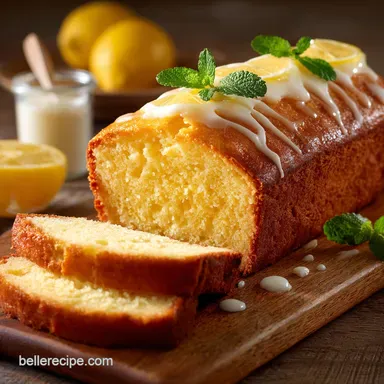
The vibrant glaze is the finishing touch, providing both necessary moisture and a powerful visual contrast to the buttery lemon pound cake loaf. A successful glaze should be opaque, thick enough to cling to the sides, but thin enough to drizzle evenly.
Use only freshly squeezed lemon juice for the glaze to ensure a sharp, tangy contrast to the sweetness of the powdered sugar.
Achieving the Perfect Cream: Timing is Everything
The butter and sugar mixture requires significant time in the stand mixer, usually five to seven minutes, far longer than most bakers initially anticipate. This crucial aeration period transforms the mixture from pale yellow into a very light, almost white, fluffy mass.
Rushing this step is the single biggest mistake in pound cake creation, leading inevitably to a dense, rock like finished texture.
The Gentle Fold: Incorporating Dry Ingredients Without Overmixing
Once the liquid and dry ingredients have been incorporated using the mixer on low speed, turn the machine off immediately. Use a rubber spatula to give the batter one or two final, gentle folds by hand.
This ensures that any pockets of unmixed flour at the bottom of the bowl are fully incorporated without activating the gluten excessively, preserving the tender nature of the moist lemon pound cake.
Oven Dynamics: Temperature, Placement, and Testing for Doneness
Baking a heavy loaf like this ultimate lemon pound cake requires careful temperature management over its long cooking time. Start at 350°F (175°C), but monitor the cake closely after the first 40 minutes to prevent the top from burning before the center is cooked.
If necessary, lightly tenting the loaf with foil can protect the crust while the dense middle finishes baking evenly.
Pro Tip: Never rely solely on visual cues. The cake is officially done only when a long skewer inserted into the deepest part of the center comes out clean, or when the internal temperature registers between 200°F and 205°F (93°C 96°C).
The Art of the Drizzle: Applying the Glaze for Maximum Shine
Wait until the buttery lemon pound cake is completely cool before applying the glaze; if the cake is warm, the glaze will simply melt and run off, resulting in a dull, sticky surface. Drizzle the glaze slowly and evenly over the top of the loaf, allowing it to coat the surface and cascade naturally down the sides.
For a thicker, more striking coating, wait 15 minutes after the first application and apply a second, thinner coat.
Baker’s Workshop: Troubleshooting and Expert Pro-Tips
Successful pound cake baking comes down to avoiding small, common errors in temperature and timing. Always heed the volume and appearance cues during the creaming stage, remembering that time is your ally when incorporating air.
Using a parchment paper sling is the best way to ensure your beautiful lemon pound cake loaf lifts cleanly and easily from the pan without breaking.
Extending the Life of Your Luxurious Lemon Pound Cake
Due to its high fat and sugar content, a properly stored lemon pound cake remains remarkably moist and fresh for several days. Once the glaze has fully set, wrapping the entire loaf tightly in plastic wrap is the key step to lock in all that delightful moisture.
Store the wrapped cake at room temperature rather than in the refrigerator, which can quickly dry out baked goods.
Recipe Variations: From Poppy Seeds to Earl Grey Infusion
This versatile lemon pound cake recipe provides a fantastic base for exploring other flavor combinations. For an appealing texture and a slight visual contrast, try adding two tablespoons of poppy seeds directly to your dry ingredients before mixing.
Alternatively, consider using this base to create a lemon pound cake muffins recipe by adjusting the bake time down to 22– 25 minutes.
- Soak Syrup: Poke holes in the warm cake and pour a hot sugar lemon syrup over it before cooling for enhanced moisture.
- Mandarin & Ginger: Replace lemon juice and zest with fresh mandarin and a teaspoon of grated ginger.
- Muffins: Bake the batter in lined muffin tins for quick, individual servings.
Preventing the Dreaded Sunken Middle
A sunken middle usually indicates that the cake was either undercooked or that the rising structure was compromised before the cake fully set. The most frequent cause is opening the oven door too early, leading to a rapid temperature drop.
Avoid checking the cake until at least 45 minutes into the baking cycle to ensure the delicate internal structure has stabilized.
How to Slice and Store Leftovers for Peak Freshness
Wait until the glaze is completely firm before slicing the ultimate lemon pound cake with a sharp, non-serrated knife; a dull knife will crush the tender crumb. For storage, always wrap individual slices or the remaining cut loaf tightly in plastic wrap, then place it inside an airtight container.
Stored this way at room temperature, the cake will maintain its superb texture for up to four days.
Freezing Fully Baked Loaves (And Thawing Them Safely)
The dense structure of the buttery lemon pound cake makes it an excellent candidate for freezing, perfect for baking ahead of time. Ensure the loaf is completely cooled and unglazed before wrapping it tightly in plastic wrap, followed by a layer of aluminum foil.
To thaw, transfer the wrapped loaf to the refrigerator overnight, then let it finish coming to room temperature on the counter before applying the fresh glaze.
Nutritional Breakdown and Serving Suggestions
Given the richness contributed by the butter and the lemon pound cake with sour cream, this dessert is decidedly decadent and best enjoyed in moderation. A standard slice provides a substantial energy boost, making it a perfect accompaniment to mid-morning coffee or afternoon tea.
Serve the loaf alongside fresh, lightly sweetened berries or a dollop of mascarpone for a truly luxurious presentation that cuts through the cake's sweetness.
| Pairing Suggestion | Reason |
|---|---|
| Fresh Berries | Provides acidity and lightness |
| Crème Fraîche | Cuts through richness with creamy tang |
| Earl Grey Tea | Its citrus notes complement the lemon flavor |

Recipe FAQs
Why does my loaf turn out like a dense brick instead of light and fluffy?
That's often down to the crucial 'creaming' step being cut short. You must beat the butter and sugar for the full 5-7 minutes until it is truly pale and fluffy, as this incorporates the essential air needed for lift without relying heavily on baking powder.
Help! How long will this gorgeous Lemon Pound Cake stay fresh, and can I freeze it?
Kept wrapped tightly at room temperature, this luxurious Lemon Pound Cake will stay wonderfully fresh for 3 to 4 days. If you want to freeze it, wrap the unglazed, cooled loaf tightly in foil and then plastic wrap; it will keep beautifully for up to three months.
My cake cracked hugely down the middle did I do something wrong, or is that normal?
No need to fret, that cracking is completely normal and actually the sign of a properly baked pound cake! It happens when the outside sets before the centre, forcing the batter to push up and out, creating that desirable "crown" look.
I don't have sour cream. Can I still make this brilliant cake, or should I pop to the shops?
You can certainly substitute full fat Greek yoghurt 1:1 for the sour cream, as it offers a similar richness and acidity. If using buttermilk instead, just remember to halve the amount of fresh lemon juice added to the batter to avoid making it too acidic or wet.
Is there any way to make this buttery treat a bit lighter on the calories?
While the decadence of a pound cake comes from the butter, you can marginally reduce the fat by substituting up to half of the butter with a high-quality vegetable shortening. However, the simplest solution is often portion control: just enjoy a smaller slice with your afternoon spot of tea!
Ultimate Moist Lemon Pound Cake Loaf
Ingredients:
Instructions:
Nutrition Facts:
| Calories | 892 kcal |
|---|---|
| Protein | 3.5 g |
| Fat | 18.3 g |
| Carbs | 52.8 g |
| Fiber | 0.1 g |
| Sugar | 18.4 g |
| Sodium | 23 mg |
