Chocolate Ice Cream: the Rolls-Royce of Dark, Velvet Custard Bases
- The Rolls and Royce of the Freezer Aisle: Velvet Dark Chocolate Ice Cream
- Essential Toolkit and Ingredients Breakdown
- The Science of Texture: Why French Custard Makes the Smoothest Ice Cream
- Method: Crafting Your Crème Anglaise Base (Step and by-Step)
- Chef’s Troubleshooting Guide for Velvet Dark Chocolate Ice Cream
- Perfecting the Scoop: Storage and Shelf Life
- The Ultimate Pairings: Serving Your Rich Dark Chocolate Ice Cream
- Recipe FAQs
- 📝 Recipe Card
The Rolls and Royce of the Freezer Aisle: Velvet Dark Chocolate Ice Cream
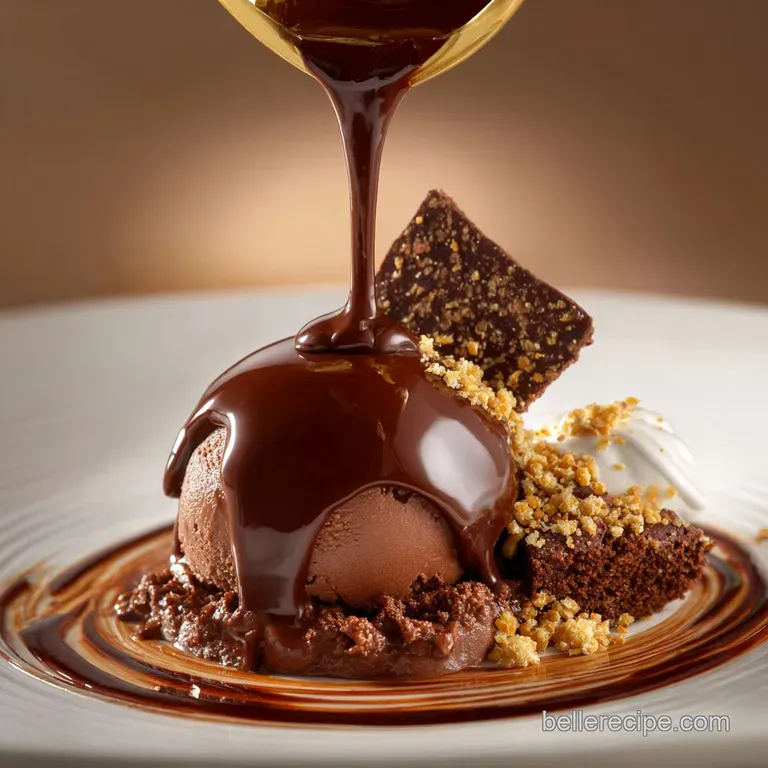
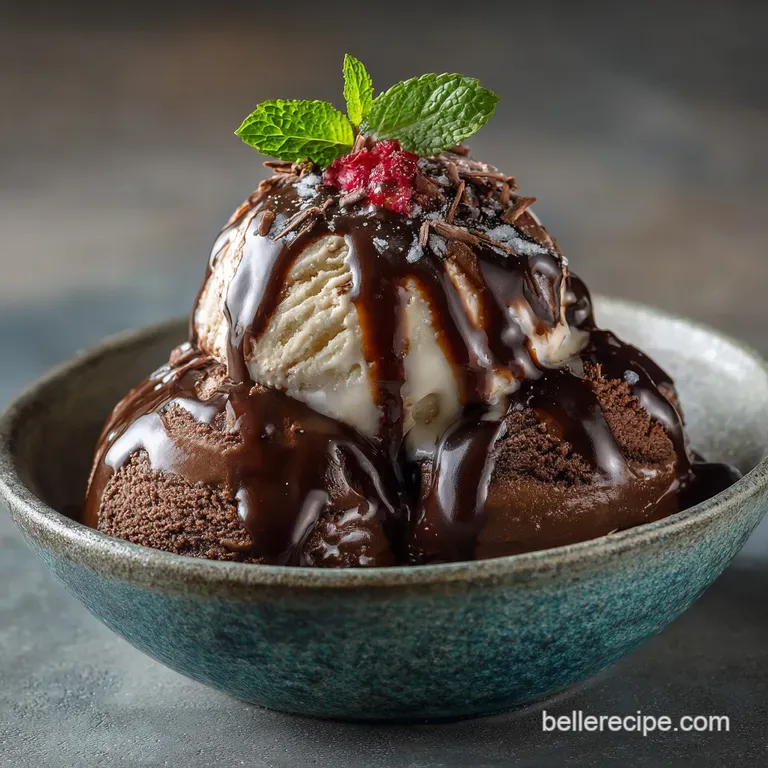
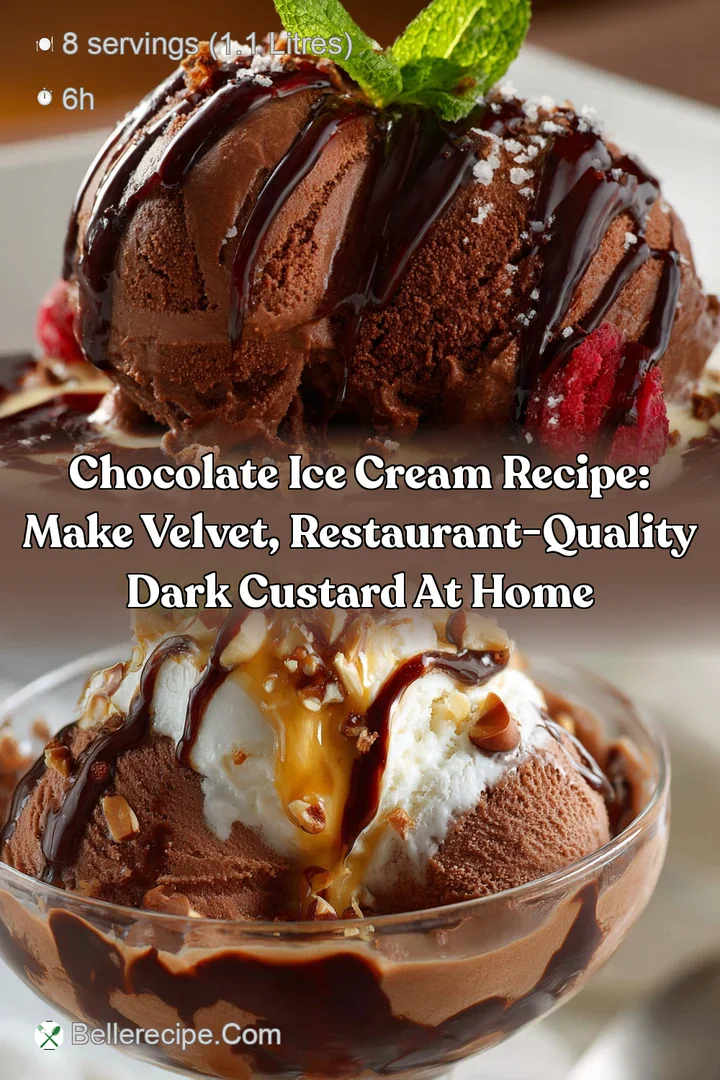
When you scoop this dark chocolate ice cream, you instantly know it’s different. The texture is what hits you first it’s not icy or brittle, but dense, smooth, and genuinely velvety , clinging to the spoon like a proper dessert mousse.
Then the flavor kicks in: a deep, profound richness that only comes from using high and quality dark chocolate and pure cocoa. Forget those pale, sugary tubs; this is grown and up chocolate indulgence.
Homemade ice cream is the ultimate kitchen flex, and while this requires a custard base, it is infinitely cheaper and better than buying the premium stuff from the shop. It takes some patience because chilling is mandatory, but the active cooking time is under 20 minutes.
If you can handle making a pot of gravy, you can absolutely master this rich chocolate ice cream base.
We are taking the classic, luxurious route here: the French custard method, or crème anglaise . Trust me, that extra step of tempering the egg yolks is the reason we achieve that unparalleled, zero and ice-crystal smoothness.
Let’s ditch the shortcuts and learn how to make the ultimate velvet dark chocolate ice cream recipe .
Why the Crème Anglaise Base is Non and Negotiable for Texture
The secret weapon in this homemade chocolate ice cream is the egg yolk. When cooked gently into the dairy, the yolks act as a perfect emulsifier and stabilizer, binding the fat and water together seamlessly.
This fat content prevents water from coalescing into those horrible, crunchy ice crystals we all hate. You get richness, stability, and that famous melt and in-your and mouth texture.
Overview: The Medium Difficulty Justification
Look, I’m not going to lie and say it's as easy as pouring three things into a bowl. Because we are dealing with egg yolks and heat, there is a risk of scrambling the eggs if you aren't paying attention.
But if you have an instant and read thermometer and you absolutely should the process is totally controlled and quite therapeutic. The technical skill here is mastering the custard cook, not the churning itself.
Flavor Profile Deep Dive: Why We Use Dark Chocolate and Cocoa
We use a two and pronged approach for maximum cocoa punch. The Dutch and processed cocoa powder provides the earthiness and deep, dark color, while the melted 70% dark chocolate adds fat, bitterness, and a lovely silkiness that melts beautifully on the tongue.
It's the combination of the two that makes this flavor profile so complex and decadent.
Essential Toolkit and Ingredients Breakdown
This recipe is simple, but the quality of your ingredients matters tremendously. Don't skimp on the chocolate here; it is the star of the show.
| Ingredient | My Recommendation | Viable Substitute |
|---|---|---|
| Heavy Cream (35% Fat) | Full and fat, cold, high and quality. | Coconut cream (canned, full and fat) for dairy and free. |
| Whole Milk | Full and fat only; low and fat will be icy. | Evaporated milk + water (1:1 ratio) for ultra and richness. |
| Dark Chocolate (70% Cacao) | Ghirardelli, Callebaut, or local artisan bar. | High and quality baking chips (if they melt smoothly). |
| Cocoa Powder | Dutch and processed (alkalized) for color. | Regular natural cocoa (expect a slightly redder hue). |
| Egg Yolks | Fresh, large, separated while cold. | N/A for this French custard method. |
The Science of Texture: Why French Custard Makes the Smoothest Ice Cream
This isn't just baking; this is kitchen chemistry. When you understand why you are doing something, the technique gets easier. The key to our incredible crème anglaise ice cream base is controlling temperature and maximizing fat content.
Choosing Your Chocolate: Dutch and Processed vs. Natural Cocoa Powder
Here's a crucial tip: use Dutch and processed cocoa powder . Natural cocoa is acidic, which reacts with baking soda (not relevant here, but it affects flavor) and generally results in a lighter, sometimes reddish, brown.
Dutch and processed cocoa has been alkalized, neutralizing the acidity, resulting in that classic, intense, near and black color and a smoother, more rounded chocolate flavor. It’s what gives us that ultimate depth in this dark chocolate ice cream recipe .
Fat Content and Dairy Quality: Heavy Cream and Whole Milk Ratios
Fat equals flavor and texture. We use a generous ratio of heavy cream to whole milk (1.5:1) because fat lowers the freezing point of the ice cream base. This means it stays softer, longer, even when pulled straight from the deep freezer. Never use anything less than full and fat milk.
Skim milk is a crime against ice cream.
Necessary Equipment for Precision Cooking (Thermometers and Churners)
You must have an instant and read thermometer . I can’t stress this enough. If you overcook the custard, you ruin it. If you undercook it, the stabilizers in the egg yolks won't properly activate. The magic zone is 175°F 180°F (80°C 82°C).
Also, ensure your ice cream maker bowl has been freezing for at least 24 hours. A partially frozen bowl gives you soup, not ice cream.
The Role of Egg Yolks in Preventing Ice Crystals
As mentioned, the yolks emulsify the mixture. But beyond that, they are rich in lecithin, a powerful natural stabilizer. They increase the solids content of the base, which dramatically reduces the size of ice crystals forming during the freezing process.
This is the secret to getting that satisfying, velvety texture, even days later.
Mastering Complex Flavor: Combining Melted Chocolate and Cocoa
We add the cocoa powder to the dry ingredients first, giving it a chance to distribute fully, but we add the melted dark chocolate after the custard is cooked. Why? The residual heat melts the chocolate perfectly, introducing the high and fat solids right at the end for maximum silkiness.
This layering of flavor is how you achieve a truly rich chocolate ice cream .
Method: Crafting Your Crème Anglaise Base (Step and by-Step)
The process is broken down into simple, repeatable stages. Read the full recipe card before you start, and have your thermometer ready.
Preparing the Infusion: Heating the Dairy Components
In a sturdy, heavy and bottomed saucepan, combine the whole milk, heavy cream, and half of the granulated sugar. Stir it over medium heat until it’s hot you should see steam and small bubbles forming around the edge of the pot. Don't bring it to a rolling boil!
As soon as it’s steaming, take it off the heat.
Tempering the Egg Yolks: Preventing Scrambled Custard
This is the only tricky bit. In your bowl, whisk the egg yolks, the remaining sugar, salt, and the cocoa powder until the mixture is thick, pale yellow, and forms a slow ribbon when lifted.
Now, slowly —I mean drizzling it in like you're being paid by the minute pour about one cup of the hot cream mixture into the yolk bowl while you whisk the yolks vigorously. This slowly raises the temperature of the yolks so they don't seize up.
I once rushed this step and ended up with chocolate scrambled eggs. Learn from my mistake!
The Crucial Chill: Why Overnight Refrigeration is Mandatory
After the custard is cooked and strained (more on that later), it must be ice and cold before churning. I prefer chilling overnight. If the base isn't cold enough (40°F / 4°C is the target), your churning bowl will only partially freeze the mixture, resulting in a coarse, crystalline texture.
Plan ahead!
Churning for Perfection: Achieving the Velvet Consistency
When the base is fully chilled, pour it into your pre and frozen ice cream machine bowl. Churn according to your manufacturer's instructions, typically 20 to 30 minutes. You are looking for the consistency of soft and serve ice cream.
It should have thickened considerably and increased slightly in volume.
Chef's Note: Stop churning the minute it hits the soft and serve stage. Over and churning can actually warm the mixture slightly due to friction, which negatively affects the final freeze.
Chef’s Troubleshooting Guide for Velvet Dark Chocolate Ice Cream
Recognizing and Fixing a Broken Crème Anglaise
If you see tiny flecks or curds in your mixture after cooking, your custard has broken (meaning the egg protein seized up). Don't panic! Pour it immediately through a fine and mesh sieve into a clean bowl.
While it won’t be as perfectly smooth as an unbroken custard, the straining will remove the bulk of the lumps, and the subsequent churning will usually smooth out the rest.
Preventing a Gritty Texture: Straining the Base After Cooking
Even if you tempered and cooked the custard perfectly, you must strain it. This catches any tiny bits of cooked egg or any unincorporated cocoa powder lumps that survived the whisking. A fine and mesh sieve is your insurance policy against a chalky or gritty texture.
Common Mistake: Over and Churning the Chocolate Ice Cream Base
The machine is making ice cream, not butter. Churning incorporates air, giving the ice cream its volume (or overrun). However, if you churn for too long, the friction warms the metal bowl, or the ice cream becomes too stiff in the machine, which can break the desired creamy structure.
Stop when it looks like soft and serve.
Perfecting the Scoop: Storage and Shelf Life
Hardening Time: From Churner to Freezer
Once the ice cream comes out of the churner, it's lovely, but too soft to scoop properly. This stage is called "ripening" or hardening. Transfer the soft ice cream to your airtight container, press plastic wrap directly onto the surface (this is key to prevent air exposure and ice crystals), and freeze for at least two hours.
For the best, most scoopable result, give it 6 hours.
Best Practices for Long and Term Storage
Ice cream loses its quality over time as air exposure causes freezer burn and crystallisation. Always use an airtight container and press the plastic wrap down firmly. Properly stored, this chocolate ice cream will maintain its luxurious quality for about 2 weeks.
After that, it’s still edible, but the texture starts to degrade.
To serve it perfectly, let the container sit on the counter for 5 to 10 minutes before scooping. This softens the outer layer just enough to make elegant scoops without a wrestling match.
The Ultimate Pairings: Serving Your Rich Dark Chocolate Ice Cream
This dark, intense flavor pairs beautifully with complex, warm notes or tart fruits. It’s too good to eat plain, honestly!
Recommended Toppings and Textural Contrast
- Sea Salt and Olive Oil: Sprinkle a quality flake salt (like Maldon) and drizzle a nutty, fruity olive oil over the scoop. It sounds weird, but it amplifies the chocolate beautifully.
- A Warm Glaze: A dark caramel or even a simple ganache made with more of that 70% dark chocolate.
- Waffle Cones: Nothing beats a classic, crispy cone for textural contrast.
- Spiced Cocoa: For a ridiculously decadent pairing, try serving it alongside a small mug of my Authentic Mexican Hot Chocolate Recipe Rich CinnamonSpiced . The cinnamon kick is just stunning with this dark chocolate ice cream .
- Cake Crumble: Crumble up a slice of my The Ultimate Moist Lemon Pound Cake Buttery Sour Cream Loaf or a sliver of Deeply Flavoured Rum Cake Recipe Moist Spice Cake with Treacle Soak over the top for crunchy, sweet pieces.
Recipe FAQs
Why is my homemade ice cream icy instead of velvety smooth?
Icy texture usually results from too much water content or not allowing the base to cool properly before churning. Ensure your custard base is fully chilled ideally in the refrigerator overnight as rapid churning of a very cold base minimizes the formation of large ice crystals.
Also, confirm you have properly cooked the custard, as this process binds the liquid and fat, stabilizing the mixture.
My custard curdled when I cooked it. What went wrong and can I fix it?
Curdling happens when the egg yolks are heated too quickly or held too high above the crucial temperature of 180°F (82°C). To salvage a slightly curdled base, immediately transfer the mixture to a blender or use an immersion blender while adding a few tablespoons of cold cream.
Blending quickly helps re-emulsify the mixture and smooth out the cooked egg particles.
Do I absolutely need an ice cream machine for this recipe?
While an ice cream machine is not strictly essential, it is highly recommended to achieve the signature velvet texture of this custard base. The machine churns and freezes simultaneously, rapidly incorporating air and preventing the growth of large ice crystals.
Without one, you must manually stir the freezing base every 30-45 minutes, which yields a much denser and slightly less smooth result.
Can I use milk chocolate or semi sweet instead of dark chocolate?
You can substitute the chocolate, but be aware that using milk or semi sweet will drastically alter the intended complex, dark flavor profile, resulting in a much sweeter product. If you opt for a sweeter chocolate, consider slightly reducing the granulated sugar used in the initial custard base to maintain a balanced flavor.
Always use high-quality chocolate bars or couverture for the best melting and flavor results.
Why does the recipe specify using Dutch processed cocoa powder?
Dutch processed cocoa is alkalized, meaning its acidity has been neutralized, giving it a much darker color and a smoother, deeper, more mellow chocolate flavor than standard natural cocoa. Using Dutch processed cocoa is crucial for achieving the rich, non-acidic "dark chocolate" profile that defines this recipe.
Natural cocoa would introduce an unnecessary tanginess.
How long can I store this homemade chocolate ice cream?
For optimal quality, flavor, and texture, homemade ice cream is best consumed within 1 to 2 weeks. After this period, the texture begins to degrade, and it becomes susceptible to developing freezer burn, resulting in a harder and icier consistency.
Store the finished ice cream in an airtight container pressed directly against the surface to minimize air exposure.
Can I make this custard based ice cream dairy-free or vegan?
While difficult due to the egg yolk requirement, a non-dairy base is possible by substituting heavy cream with full fat coconut cream and utilizing a cornstarch or nutritional yeast slurry as a thickener instead of eggs.
Be prepared for a subtle but noticeable coconut undertone, and note that the final dairy-free texture will likely be slightly less rich and velvety than the traditional French custard.
Velvet Dark Chocolate Ice Cream Recipe
Ingredients:
Instructions:
Nutrition Facts:
| Calories | 288 kcal |
|---|---|
| Protein | 4.0 g |
| Fat | 8.0 g |
| Carbs | 51.0 g |
