Ball Cake Recipe
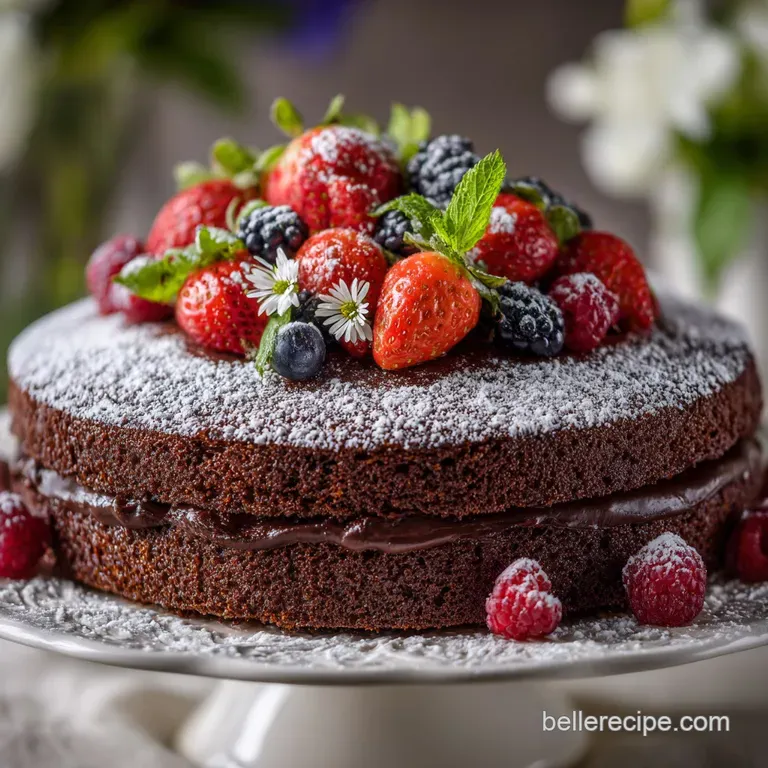
- Time: Active 1 hour 30 mins, Passive 30 mins, Total 2 hours
- Flavor/Texture Hook: A snap crisp chocolate shell giving way to a fudgy, cream cheese-infused center
- Perfect for: Party favors, holiday dessert platters, or a mindful weekend baking project
- Achieving Texture Balance in Your Homemade ball cake recipe
- Crucial Metrics for Every Single Serving
- Essential Elements for the Ultimate Flavor Profile
- Necessary Tools for a Smooth Preparation
- Step-By-Step Methods for Success
- Common Mistakes and Professional Solutions
- Adaptations for Unique Flavor Experiences
- Debunking Traditional Baking Wisdom
- Optimal Preservation and Temperature Management
- Thoughtful Pairings for Every Occasion
- Recipe FAQs
- 📝 Recipe Card
Achieving Texture Balance in Your Homemade ball cake recipe
The first time I attempted a ball cake recipe, I was getting ready for my sister's baby shower. I remember the kitchen being thick with the scent of warm, toasted cocoa and the floral hum of vanilla.
There is something incredibly therapeutic about the process of crumbling a fresh cake by hand, feeling the warm sponge turn into soft, sandy grains between your fingers. It feels like you are creating something entirely new from something familiar, transforming a simple dessert into a sophisticated, hand held treasure.
But it was not all smooth sailing back then. I once made the mistake of adding too much frosting, resulting in a soggy, overly sweet mess that would not hold its shape. Since then, I have learned that the real magic lies in the ratio of the bind.
You want just enough cream cheese frosting to hold the crumbs together, creating a texture that is dense and fudgy rather than mushy. When you finally dip those chilled rounds into a bowl of glossy, melted dark chocolate, the transformation is complete.
This recipe is about more than just a quick snack. It is about the memories we create while rolling the dough and the joy of sharing a perfectly finished treat. Whether you are making a red velvet cake ball recipe for a romantic evening or a simple chocolate cake ball recipe for a rainy afternoon, the goal is the same: a comforting, high-quality bite that feels like a warm hug.
We'll walk through the nuances of the "bind" and the "dip" to ensure your kitchen smells like a high end chocolatier.
The Physics of the Crumb Bond
Surface Area Integration: Crumbling the cake into fine, uniform grains increases the surface area, allowing the cream cheese frosting to coat every particle evenly. This creates a structural matrix that prevents the balls from falling apart during the dipping process.
Thermal Stabilization: Chilling the rolled cake balls before dipping causes the fats in the butter and cream cheese to solidify. This ensures the ball remains firm when hit with the warmth of the melted chocolate, preventing it from melting into the coating.
| Method | Time Investment | Texture Outcome | Best For |
|---|---|---|---|
| Fresh Baked | 2 hours 15 mins | Light, airy, clean flavor | Special events and gifts |
| Boxed Shortcut | 1 hours 45 mins | Consistent, dense, moist | Weeknight treats or kids' parties |
| No Bake Mix | 45 minutes | Very dense, dough like | Absolute beginners or emergencies |
Choosing the right approach depends on your schedule, but even with a shortcut, the quality of your chocolate makes the biggest difference. If you have extra cake scraps from another project, like my Nans NeverFail How recipe, you can easily repurpose them here to minimize waste and add a unique spiced flavor profile.
Crucial Metrics for Every Single Serving
When we talk about precision in a homemade cake ball recipe, it is not just about the weight of the ingredients, but how those measurements translate into the final experience. We are aiming for a yield of exactly 26 servings, which means each ball needs to be uniform in size to ensure they all chill and set at the same rate.
If some are larger than others, you will find your dipping chocolate getting cold before you finish the batch.
The nutritional profile of these treats is quite balanced for a dessert. At 242 kcal per serving, they are a rich indulgence, but the 2.5 g of protein helps give them a bit more substance than a standard sugar cookie. I always find that using full fat cream cheese is non negotiable here.
It provides the necessary fat content (13.4 g per serving) to create that velvety mouthfeel we all crave.
| Component | Science Role | Pro Secret |
|---|---|---|
| Cream Cheese | Binding Emulsifier | Use full fat for a stable, non greasy crumb bond |
| Coconut Oil | Viscosity Modifier | Thins the chocolate for a thin, professional snap |
| Sifted Sugar | Texture Refinement | Prevents "gritty" spots in the frosting binder |
Adding that tiny bit of coconut oil to your melting wafers is a trick I learned from a local pastry chef. It lowers the melting point slightly and gives the shell a beautiful luster that doesn't crack as easily when you bite into it.
It is these small, mindful choices that transform a simple recipe into something truly memorable.
Essential Elements for the Ultimate Flavor Profile
To get the best results from your easy cake ball recipe, you need to be specific about your pantry choices. Don't just reach for any chocolate; a dark chocolate melting wafer with at least 60% cocoa will provide the perfect bitter contrast to the sweet cake interior. If you are feeling adventurous, you can even look into a Delightful Earl Grey Cookies recipe for inspiration on how to infuse your cake with tea for a floral twist.
- Chocolate Cake Mix (432g): The foundation of our flavor. Why this? Provides a consistent crumb structure that absorbs the frosting perfectly without becoming gummy.
- Water (240ml): Essential for hydration. Why this? Activates the leavening agents in the mix for a light, bake able sponge.
- Vegetable Oil (120ml): Keeps the cake moist. Why this? Fat ensures the crumbs stay tender even after being crushed and chilled.
- Large Eggs (3 units): Provides structure and lift. Why this? Bind the cake batter so it doesn't fall apart during the baking phase.
- Full fat Cream Cheese (115g): The primary binder. Why this? Adds a necessary tang to balance the sugar while providing structural stability.
- Unsalted Butter (30g): Adds richness to the frosting. Why this? Softened butter helps create a smooth, pipe able consistency that blends easily.
- Powdered Sugar (120g): Sweetens the binder. Why this? Must be sifted to ensure the interior of the cake ball is silky smooth.
- Pure Vanilla Extract (5ml): Aromatic depth. Why this? Rounds out the chocolate flavors and adds a comforting, nostalgic scent.
- Dark Chocolate Melting Wafers (450g): The protective shell. Why this? Formulated to melt smoothly and set firmly without complex tempering.
- Coconut Oil (15ml): The thinning agent. Why this? Creates a "shell" effect that shatters beautifully upon impact.
- Sprinkles or Sea Salt (20g): The finishing touch. Why this? Sea salt flakes specifically help to cut through the richness of the dark chocolate.
| Original Ingredient | Substitute | Why It Works |
|---|---|---|
| Vegetable Oil | Applesauce (unsweetened) | Reduces fat while keeping the cake moist, though the crumb is denser. |
| Cream Cheese | Mascarpone Cheese | Offers a richer, creamier flavor with less tang; excellent for a luxury feel. |
| Dark Chocolate | White Chocolate Wafers | Changes the flavor profile to be much sweeter; Note: Sets faster. |
Necessary Tools for a Smooth Preparation
You don't need a professional kitchen, but a few specific tools will make this process much more enjoyable. A stand mixer, like a KitchenAid, is brilliant for both the cake batter and the frosting, but a hand mixer works just as well if you have a bit of patience.
I highly recommend using a small spring loaded cookie scoop to ensure your 26 servings are all identical.
One thing I've learned the hard way: don't skip the parchment paper. Placing the freshly dipped balls onto a silicone mat or parchment is the only way to ensure they don't stick to the tray. If you have ever made a Homemade Boston Cream recipe, you know how temperamental chocolate and pastry cream can be when they aren't handled with the right equipment.
Chef Tip: Freeze your mixing bowl for 10 minutes before making the cream cheese frosting. This keeps the butter and cheese from over warming, ensuring the binder stays thick and doesn't turn oily while you are mixing it into the cake crumbs.
step-by-step Methods for Success
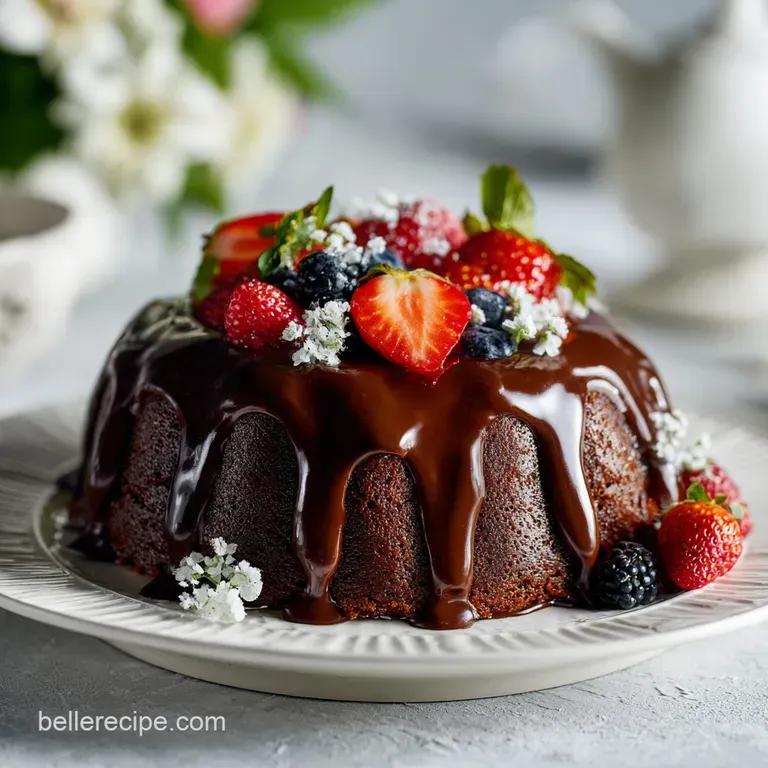
1. The Baking Foundation
Preheat your oven and prepare the chocolate cake mix (432g) with the water (240ml), vegetable oil (120ml), and 3 eggs. Bake according to the package directions until a toothpick comes out clean and the kitchen smells like warm, roasted cocoa.
Allow the cake to cool completely, as any residual heat will melt your frosting later.
2. The Obliteration Phase
Once cool, remove the browned edges of the cake and crumble the center into a large bowl. Use your hands or a fork until the cake resembles fine, dark sand. Note: Large chunks will make the final balls lumpy and difficult to dip.
3. Creating the Binder
In a separate bowl, cream together the softened cream cheese (115g) and butter (30g). Gradually add the sifted powdered sugar (120g) and vanilla (5ml) until the mixture is pale, fluffy, and smells like a floral bakery. This is your binding frosting that will hold everything together.
4. The Emulsion Phase
Add the frosting to the cake crumbs one tablespoon at a time. Mix with a spatula until the dough holds its shape when squeezed. You may not need every drop of frosting; the goal is a texture similar to damp clay, not a runny batter.
5. Shaping the Rounds
Using a cookie scoop, portion out the mixture and roll between your palms until you have 26 smooth, even spheres. Place them on a tray lined with parchment paper. Note: Work quickly to prevent the heat from your hands from softening the fat too much.
6. The Chilling Phase
Place the tray in the refrigerator for at least 1 hour. This is a non negotiable step. Chilling until the balls are firm to the touch ensures they won't fall off the dipping fork when they hit the warm chocolate.
7. Melting the Shell
In a microwave safe bowl, combine the dark chocolate melting wafers (450g) and coconut oil (15ml). Heat in 30 second bursts, stirring in between, until the chocolate is glossy, fluid, and smells intensely bitter sweet.
8. The Finishing Dip
Using a fork or a dipping tool, submerge each chilled ball into the chocolate. Tap the fork against the side of the bowl to remove excess. Place back on the parchment and immediately add your sprinkles or sea salt (20g) before the chocolate loses its sheen and sets.
Common Mistakes and Professional Solutions
Why Your Cake Balls Are Falling Apart
If your balls disintegrate as soon as they hit the chocolate, the problem is usually a lack of structural integrity. This often happens if the cake crumbs were too large or if you didn't use enough frosting. The cake needs to be finely pulverized to create a dense enough "matrix" for the frosting to hold.
Why the Chocolate Shell Is Cracking
Cracks usually happen because of an extreme temperature difference. If the cake balls are frozen when you dip them, the chocolate sets almost instantly, but as the interior expands slightly while returning to room temperature, it shatters the shell. Always use a refrigerator chilled ball, not a frozen one.
| Problem | Root Cause | Solution |
|---|---|---|
| Oily Surface | Frosting was over mixed or too warm | Chill the dough for 20 mins before rolling into balls |
| Chocolate "Feet" | Too much excess chocolate on the fork | Tap the fork 5-8 times and slide the bottom over the bowl edge |
| Dull Coating | Chocolate was overheated or "seized" | Melt at 50% power and stir frequently; add a teaspoon of coconut oil |
Common Mistakes Checklist: ✓ Ensure the cake is 100% cool before crumbling (prevents gummy texture). ✓ Sift the powdered sugar to avoid tiny white lumps in your dark centers. ✓ Use a deep, narrow bowl for dipping to keep the chocolate pool deep.
✓ Only take 5-6 balls out of the fridge at a time so they stay firm while you work. ✓ Don't use a spoon to dip; a fork allows excess chocolate to drain away through the tines.
Adaptations for Unique Flavor Experiences
If you want to move beyond the classic chocolate cake ball recipe, the possibilities are endless. You can easily transform this into a red velvet cake ball recipe by swapping the cake mix and using a slightly tangier cream cheese frosting.
For those who enjoy a bit of crunch, try adding crushed pecans or walnuts into the crumb mixture before rolling.
Scaling for Large Crowds or Small Batches
When scaling this recipe down (to 1/2), simply beat one egg and use half of it by volume. You will want to reduce your baking time by about 20% since a smaller cake will bake faster. For a half batch, use a 6 inch round pan instead of a standard 9x13.
When scaling up (2x or 4x), be mindful of your liquid ratios. You should only increase the salt and spices by 1.5x to avoid overwhelming the palate. For the liquids (water and oil), reduce the total volume by about 10% to ensure the cake doesn't become too heavy to support its own weight in a large batch.
Work in batches when dipping, as the chocolate will cool down too much if you try to do 50+ balls at once.
| Batch Size | Servings | Pan Size | Total Time |
|---|---|---|---|
| Half Batch | 13 balls | 6 inch Round | 1 hour 30 mins |
| Standard | 26 balls | 9x13 Rectangular | 2 hours |
| Double Batch | 52 balls | Two 9x13 Pans | 3 hours 15 mins |
Debunking Traditional Baking Wisdom
Many people believe that you must freeze cake balls before dipping them to keep them from falling apart. This is actually a misconception that often leads to cracked chocolate shells.
A cold, refrigerator temperature ball is firm enough to handle the dip without the extreme thermal shock that a frozen ball causes to the warm chocolate.
Another myth is that you need expensive, tempered couverture chocolate for a good snap. While professional chocolate is lovely, high-quality melting wafers are specifically designed with a higher percentage of fats to provide that "shatter" texture without the temperamental hassle.
This makes it a much more accessible simple cake ball recipe for home cooks.
Optimal Preservation and Temperature Management
Proper storage is the key to maintaining that delightful contrast between the snap of the shell and the soft interior. These treats should always be kept in an airtight container. In the fridge, they will stay fresh and fudgy for up to 7 days.
If you leave them on the counter, the cream cheese frosting can spoil, so keep them chilled until about 15 minutes before you are ready to serve.
For long term storage, you can freeze them for up to 2 months. Place them in a single layer on a tray to freeze solid, then transfer them to a freezer safe bag. To serve, thaw them slowly in the refrigerator overnight.
This prevents condensation from forming on the chocolate, which can cause "sugar bloom" or white spots.
To practice zero waste, save any leftover cake crumbs or frosting. You can fold them into softened vanilla ice cream or use the extra melted chocolate to make a quick bark with leftover nuts and salt.
Even the browned edges of the cake that we trimmed off can be toasted in the oven and used as a crunchy topping for yogurt or oatmeal. It is all about finding mindful ways to transform every ingredient into something special.
Thoughtful Pairings for Every Occasion
These rich, chocolatey bites are the ultimate afternoon pick me-up. I love serving them alongside a steaming cup of Earl Grey tea or a dark roast coffee to balance the sweetness. If you are hosting a celebration spread, they look beautiful nestled between some Delightful Earl Grey Cookies recipe and a few fresh berries.
For a more formal dessert, you could even serve a single cake ball alongside a small scoop of raspberry sorbet. The acidity of the fruit cuts through the heavy chocolate and cream cheese, making the whole experience feel lighter and more refined.
No matter how you serve them, these ball cakes are sure to create a lasting memory for anyone lucky enough to grab one.
Recipe FAQs
What is the ideal ratio of cake crumbs to frosting for cake balls?
Aim for a consistency that holds its shape when squeezed. You want just enough frosting to bind the finely crumbled cake, similar to damp clay, rather than a runny batter.
Do I need to freeze cake balls before dipping them in chocolate?
No, refrigerating is sufficient and preferred over freezing. Freezing can cause extreme temperature differences leading to cracked chocolate shells; chilled balls are firm enough for a smooth dip.
How can I achieve a shiny, crack free chocolate coating on my cake balls?
Use quality melting wafers and add a small amount of coconut oil. Melting wafers are formulated for easy dipping, and a touch of coconut oil ensures a fluid, glossy coating that sets without cracking.
My cake balls are falling apart. What went wrong?
Your cake crumbs might be too large or you didn't use enough binder. Ensure the cake is crumbled very finely and mix in enough cream cheese frosting until the mixture holds together firmly when squeezed.
Can I use leftover cake scraps for cake balls?
Yes, absolutely. Leftover cake scraps are perfect for cake balls; ensure they are completely cooled and crumbled finely, just like you would with a freshly baked cake. If you have extra cake scraps from a project like our Nans NeverFail How recipe, you can easily repurpose them here to minimize waste and add a unique spiced flavor profile.
What kind of chocolate is best for dipping cake balls?
high-quality dark chocolate melting wafers are ideal. They are designed to melt smoothly and set firmly without complex tempering, providing a delicious snap that contrasts well with the soft interior.
How long do cake balls stay fresh?
Cake balls stay fresh in an airtight container in the refrigerator for up to 7 days. For longer storage, freeze them for up to 2 months after properly sealing them to prevent freezer burn and condensation.
Ball Cake Recipe
Ingredients:
Instructions:
Nutrition Facts:
| Calories | 242 kcal |
|---|---|
| Protein | 2.5 g |
| Fat | 13.4 g |
| Carbs | 29.8 g |
| Fiber | 1.1 g |
| Sugar | 22.3 g |
| Sodium | 108 mg |
