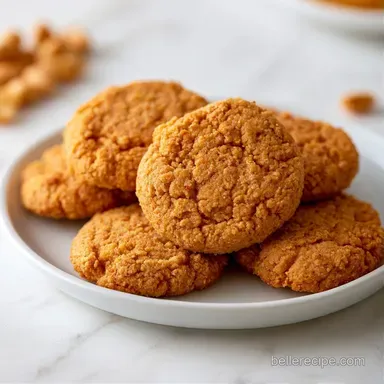
Creamy 3-Ingredient Peanut Butter Balls
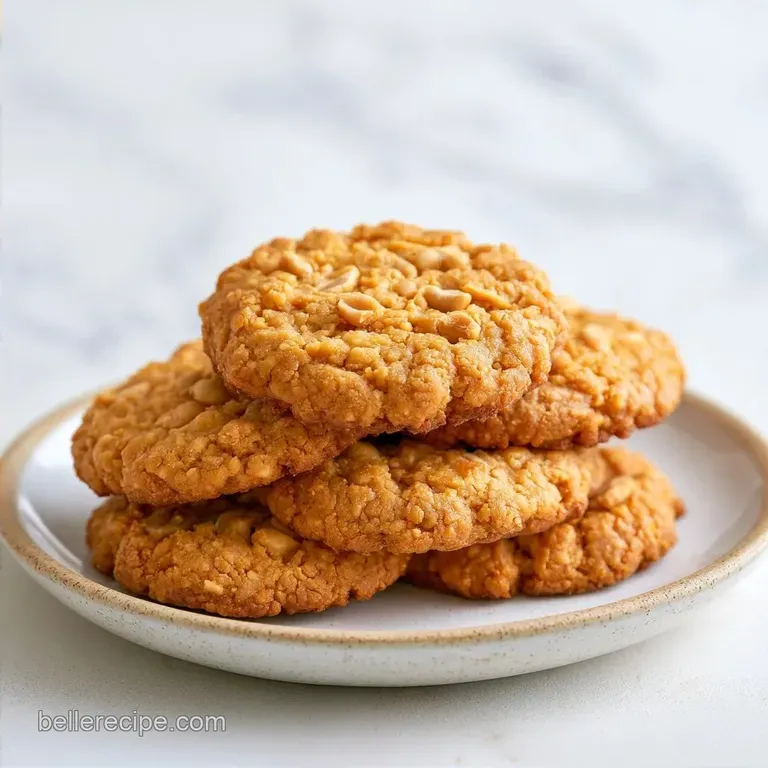
- Time:10 minutes active
- Flavor/Texture Hook: Nutty, dense, and creamy
- Perfect for: Mid afternoon energy boosts or a quick toddler snack
- Simple and Sweet Peanut Butter Balls
- Hidden Tips for Better Bites
- Quick Specs for Planning
- Essential Ingredients and Swaps
- Tools for the Job
- Step by Step Assembly
- Fixing Common Texture Issues
- Troubleshooting Common Issues
- Different Flavor Ideas
- Storage and Waste Tips
- Best Ways to Serve
- Recipe FAQs
- 📝 Recipe Card
Simple and Sweet Peanut Butter Balls
The smell of roasted peanuts always takes me back to my grandmother's sunny kitchen. I remember how she'd whip up quick treats whenever we had guests, usually something that didn't require hours of baking. These little bites fit that same mood.
They're the kind of snack you make when you're craving something sweet but don't have the energy for a full dessert project.
I love making these on rainy Tuesday afternoons. There's something comforting about the tactile process of rolling the dough between your palms. It's a mindful little break in a busy day. Plus, they're great for sharing with friends who need a quick pick me-up.
You can expect a dense, fudge like texture that melts slowly. These Peanut Butter Balls don't rely on fancy equipment or long wait times. Just a bowl, a spatula, and ten minutes of your time.
Hidden Tips for Better Bites
- Room Temp PB: If your peanut butter is too cold, it won't mix smoothly with the syrup, leaving you with clumps.
- Gradual Flour: Coconut flour is incredibly absorbent. Adding it too fast can turn your dough into a dry crumb in seconds.
- Firm Pressure: Roll the balls with a bit of force to ensure they don't flatten out on the plate.
| Approach | Texture | Prep Effort | Best For |
|---|---|---|---|
| Coconut Flour (Fresh) | Fudgy & Soft | Low | Quick snacks |
| Almond Flour (Substitute) | Grainy & Rich | Low | Heartier bites |
Quick Specs for Planning
Binding: The maple syrup acts as the glue. It blends with the fats in the peanut butter to create a cohesive dough. Structure: Coconut flour absorbs moisture quickly, which prevents the balls from becoming greasy or sticking to your fingers.
| Ingredient | What It Does | Best Swap |
|---|---|---|
| Peanut Butter | Provides the base and fat | Almond butter |
| Maple Syrup | Sweetens and binds | Honey |
| Coconut Flour | Thickens the dough | Almond flour |
Essential Ingredients and Swaps
- 1/2 cup (125g) creamy peanut butter Why this? Provides the creamy foundation and primary flavor
- 3 tbsp (45ml) pure maple syrup Why this? Adds a woody sweetness and keeps the dough tacky
- 3 to 4 tbsp (25-35g) coconut flour Why this? Absorbs oil to create a rollable consistency
| Original Ingredient | Substitute | Why It Works |
|---|---|---|
| Coconut Flour | Almond Flour | Nuttier taste. Note: You'll need more almond flour to get the same firmness |
| Maple Syrup | Honey | Similar viscosity. Note: Changes the flavor to a more floral sweetness |
| Creamy PB | Cashew Butter | Very smooth. Note: Less intense flavor than peanut butter |
Tools for the Job
You don't need much here. A medium mixing bowl is the main requirement. I usually use a silicone spatula because it scrapes the sides of the bowl cleanly, ensuring no maple syrup is left behind. If you want them perfectly uniform, a small cookie scoop works, but your hands are the best tool for the final shaping.
Step by step Assembly
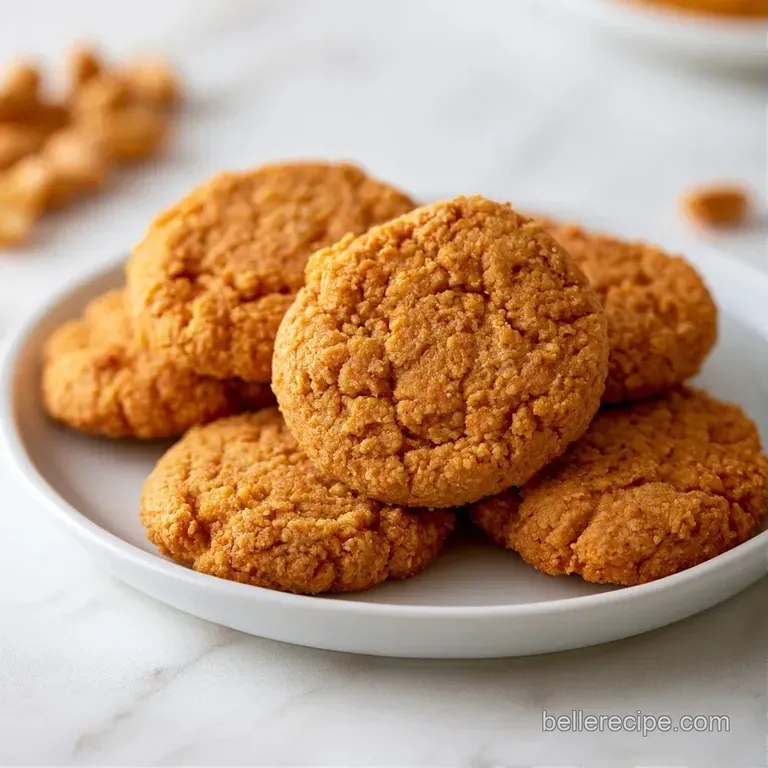
- Pour the peanut butter and maple syrup into your mixing bowl.
- Stir vigorously with your spatula until the mixture looks glossy and smooth. Note: Ensure no syrup streaks remain
- Add the first tablespoon of coconut flour.
- Fold the flour in gently.
- Add the second and third tablespoons of flour one by one.
- Continue adding flour until the dough pulls away from the bowl sides and feels soft.
- Scoop about 1 tablespoon of dough.
- Roll the dough between your palms using firm pressure.
- Repeat until you have 10 uniform spheres.
Chef: If the dough feels too tacky, let it sit for 2 minutes. Coconut flour takes a moment to fully hydrate and thicken.
Fixing Common Texture Issues
The most common struggle with this recipe is the "stick versus crumble" balance. Because coconut flour brands vary in absorbency, you have to rely on the feel of the dough rather than just the measurement.
Troubleshooting Common Issues
| Issue | Solution |
|---|---|
| Dough too sticky | If the mixture clings to your hands, it usually means the syrup didn't fully integrate or you need a touch more flour. |
| Why is the texture too crumbly | Adding too much flour removes the moisture. The balls will crack when you roll them. |
| Stop the flattening | This usually happens if the peanut butter is too warm or you aren't pressing firmly enough during the rolling process. |
Different Flavor Ideas
If you want a different vibe, try adding a pinch of sea salt to the dough. It cuts through the richness of the peanut butter. You can also stir in a teaspoon of vanilla extract for a more "bakery" scent.
For those who love a baked treat, you might enjoy my peanut butter cookies which offer a different texture. If you're feeling adventurous, try adding a few mini chocolate chips to the dough before rolling. This turns the snacks into tiny peanut butter cups.
Quick Decision Guide: If you want them firmer, add an extra teaspoon of coconut flour. If you want a deeper sweetness, use dark honey instead of maple syrup. If you want them bite sized, use a teaspoon scoop instead of a tablespoon.
Storage and Waste Tips
Store these in an airtight container in the fridge for up to 7 days. They stay much firmer when chilled. You can also freeze them for up to 2 months. I find that eating them straight from the freezer gives them a fudge like consistency.
To avoid waste, if you have a bit of leftover dough that's too small to roll, just smear it on a slice of apple. Since this recipe uses minimal ingredients, there aren't many scraps, but you can use any remaining maple syrup to glaze carrots or sweeten your morning oats.
Best Ways to Serve
These are great on their own, but they shine when paired with a drink. A tall glass of chocolate milk is the classic pairing here. The cold milk balances the richness of the peanut butter.
You can also arrange them on a platter with fresh strawberries or grapes. The tartness of the fruit cleanses the palate between bites. For a more indulgent version, try dipping the finished balls in melted dark chocolate and letting them set on parchment paper for 15 minutes.
Recipe FAQs
How to make easy peanut butter balls?
Stir creamy peanut butter and maple syrup until smooth. Fold in coconut flour one tablespoon at a time until a soft dough forms, then roll into 1-tablespoon spheres.
What ingredients are needed for these peanut butter balls?
You only need three simple ingredients. Combine creamy peanut butter, pure maple syrup, and coconut flour; if you like these flavors, try our homemade granola bars for another easy treat.
Why is my peanut butter ball dough too sticky to roll?
Add a small amount of additional coconut flour. Stickiness usually indicates the syrup didn't fully integrate or the dough needs more structure to pull away from the bowl.
What should I do if the dough is too crumbly?
Reduce the amount of coconut flour used. Adding too much flour removes essential moisture, which causes the balls to crack when rolled between your palms.
Is it true that peanut butter balls must be baked to set?
No, this is a common misconception. These are no-bake snacks that set and firm up perfectly when chilled in the refrigerator.
How do I store peanut butter balls to keep them fresh?
Place them in an airtight container in the fridge. They remain fresh for 7 days chilled or up to 2 months in the freezer for a fudge like consistency.
What can I do to stop the balls from flattening?
Apply firm pressure while rolling. Flattening typically occurs if the peanut butter is too warm or the dough isn't compressed enough during the shaping process.
Peanut Butter Balls