Smoked Chuck Steak: the Butchers Treasure (Low-And-Slow Poor Mans Brisket)
- The Butcher’s Best Bargain: Unlocking the Magic of Chuck Steak
- The Science of Smoke: Why Low and Slow Transforms This Tough Cut
- Sourcing the Cut and Crafting the Perfect Smoke Rub
- Method: Achieving Peak Tenderness in Your Smoker
- Pitmaster Secrets: Troubleshooting and Elevating Your Cook
- Storage Solutions: Keeping Leftovers Fresh and Flavorful
- Pairing Perfection: Sides and Sauces for Smoked Chuck Steak
- Recipe FAQs
- 📝 Recipe Card
The Butcher’s Best Bargain: Unlocking the Magic of Chuck Steak
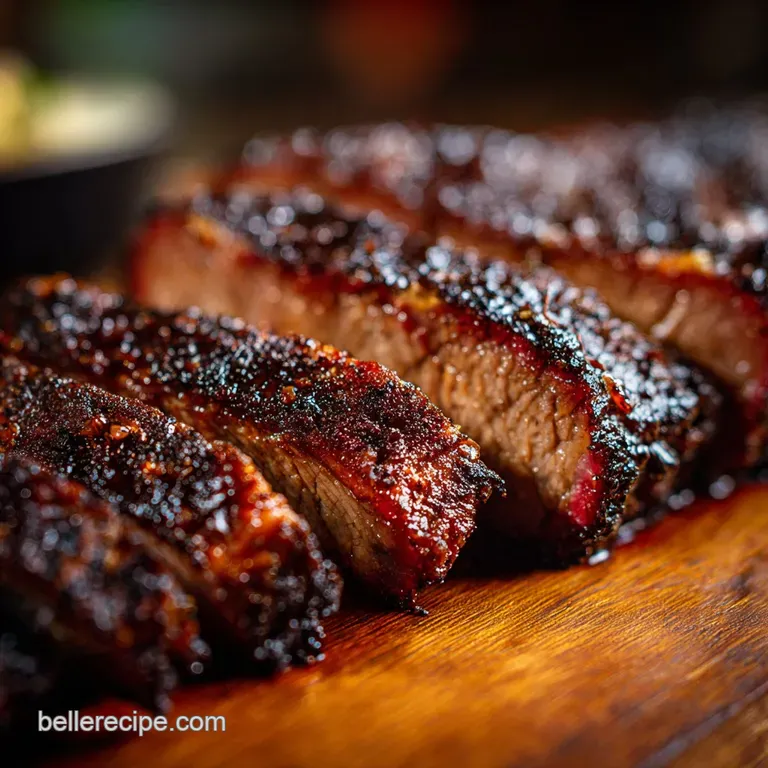
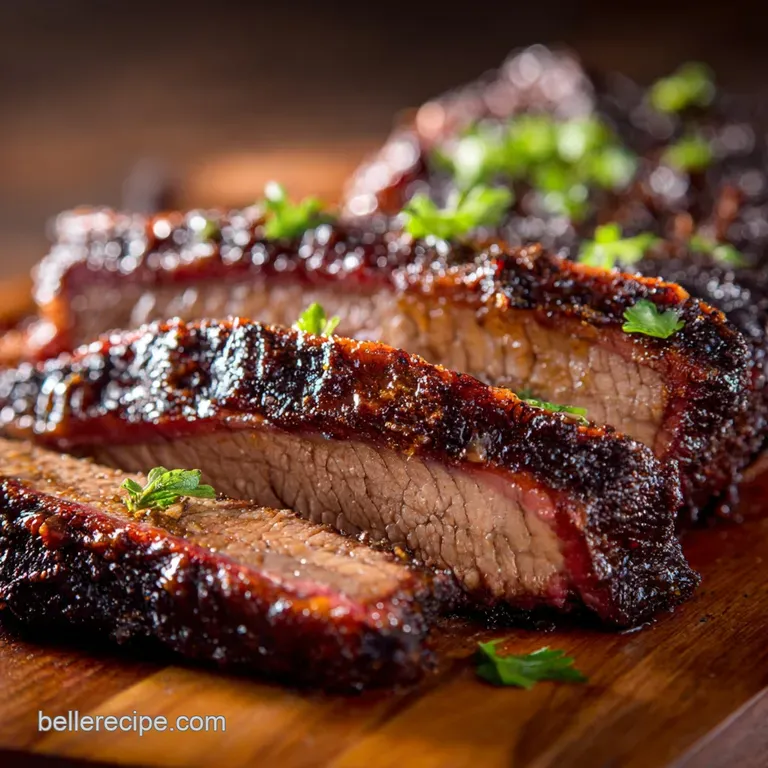
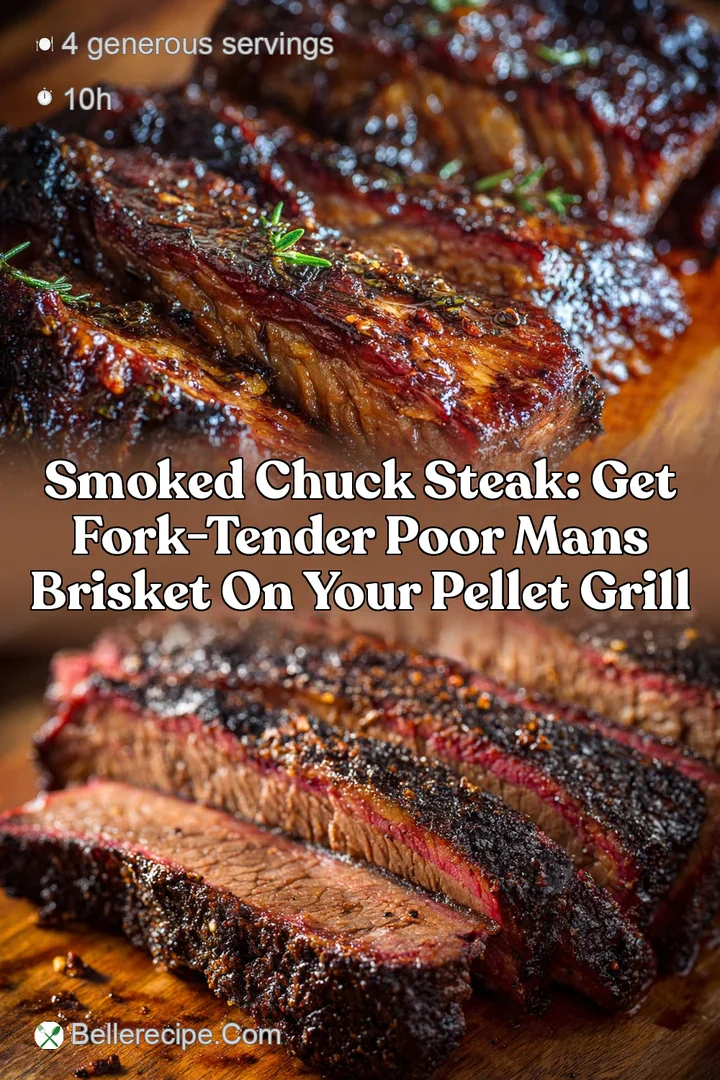
Oh my word, the smell of low and slow smoke clinging to a developing bark is pure magic. That deep mahogany crust, slightly rough and peppery to the touch, promises an internal explosion of juicy, falling apart tenderness.
When you finally cut into this smoked chuck steak, the steam carries the scent of fire, beef, and spices it’s genuine barbecue perfection.
Now, let's talk budget. Chuck steak is absolutely the unsung hero of the meat counter, often half the price of a fancier cut but delivering 90% of the flavor payoff when handled correctly.
This method is incredibly forgiving once your Traeger or Pit Boss pellet grill is set up, meaning less stress and maximum reward for your Sunday dinner crowd.
Forget everything you thought you knew about cooking steak quickly; that’s the fastest way to get shoe leather here. We are embracing the patience required for proper smoking and transforming this tough shoulder muscle into the legendary "poor man's brisket" using nothing more than salt, pepper, and time.
Ready to master your smoker and make the best Smoked Chuck Steak you've ever had? Let’s crack on.
The Science of Smoke: Why Low and Slow Transforms This Tough Cut
Chuck steak comes straight from the shoulder, which means the muscle does a ton of work when the cow is moving around. That constant effort creates loads of dense connective tissue called collagen, which makes the cut incredibly tough if you try to grill it hot and fast.
Our entire process, cooking at a steady 225°F (107°C) for several hours, slowly melts that tough collagen into rich, velvety gelatin. The gelatin then bastes the muscle fibers from the inside out, making this high collagen cut intensely moist and fork tender.
Defining the Cut: What is Chuck Steak?
Chuck steak is basically a portion of the chuck roast, typically cut 1 to 1.5 inches thick. It’s highly marbled and full of flavor, but you have to respect its structure. We're using the low and slow method usually reserved for larger roasts or even pulled pork because the objective isn’t medium rare; the objective is total collagen conversion. If you enjoy the texture of slow cooked meat, you'll love this approach, which is very similar to preparing a Smoked Beef Chuck: The Ultimate Tender Poor Mans Brisket Recipe .
Expected Timeframe: How Long Does Smoked Chuck Steak Take?
I know the time looks intimidating, but remember, the active prep time is only about 15 minutes total. Expect your Smoked Chuck Steak to take between 6 to 8 hours to reach that perfect Smoked Chuck Steak Internal Temp of 205°F (96°C), plus an essential hour for resting.
Never cook based on the clock alone; you must rely on your internal thermometer.
Essential Equipment for Low and Slow Smoking
You absolutely need a digital probe thermometer. If you don't have one, stop what you are doing and go buy one; it is the difference between perfection and rubber. You can use any smoker electric, offset, or a Smoked Chuck Steak Pellet Grill like a Traeger or Pit Boss as long as it holds a consistent 225°F (107°C).
Heavy duty foil or un-waxed butcher paper is also required if you plan on using the Texas Crutch method to push through the dreaded stall.
The Crucial Collagen Conversion Point (The Stall)
Around 150°F to 160°F (65°C to 71°C), your steak will stop climbing in temperature, sometimes for hours. This is the stall. It happens because moisture evaporating from the surface cools the meat through evaporative cooling, and it’s a necessary hurdle.
You can either wait it out, which yields a firmer bark, or wrap it tightly (the crutch) to trap the moisture and speed things up significantly.
Mastering Bark Formation on the Smoked Chuck Steak
Bark that beautiful, flavorful crust is formed primarily by salt, pepper, and smoke interacting with the drying surface of the meat. To maximize this, you must use coarse ground pepper and keep the steak unwrapped for the first 3- 4 hours while the surface is still cooling via evaporation.
The simple Texas style rub (salt and pepper heavy) is the best choice for forming a classic, dark bark.
Wood Pairing Mastery: Best Smoke Woods for Shoulder Cuts
For cuts like this that need hours in the smoke, you want something robust. Hickory or Oak are my top picks because they provide a deep, savory flavor that can stand up to the richness of the chuck. If you want a slightly sweeter finish, Pecan works beautifully too.
I find fruit woods like Apple or Cherry a little too mild for this rich Smoked Chuck Steak preparation.
Sourcing the Cut and Crafting the Perfect Smoke Rub
Selecting the Ideal Chuck Roast (Weight and Marbling)
Look for a chuck steak that is at least 1.5 inches thick and has good marbling throughout the muscle. Marbling is the internal fat, and it's your friend here. It melts into the meat during the cook, preventing it from drying out.
Avoid steaks with excessively thick layers of silver skin or hard, chunky fat on the exterior; you want to trim those off before seasoning.
Building a Balanced Dry Rub: Flavor Profiles That Complement Smoke
A simple rub is often the best. Because we are cooking this for so long, you want flavors that won't burn or become bitter. I stick almost exclusively to the classic Texas blend for this Smoked Chuck Steak : coarse black pepper, coarse kosher salt, and a little garlic powder.
Trust me, coarse ingredients create the best bark.
The Necessity of Binding Agents (Mustard vs. Oil)
A binder helps your rub stick to the meat, especially when using coarse spices. Yellow mustard is the classic barbecue choice because the vinegar cuts the fat, but the mustard flavor completely vanishes during the long cook.
If you don't like mustard, you can easily use a light coating of olive oil or Worcestershire sauce instead.
| Ingredient | My Recommendation | Viable Substitute |
|---|---|---|
| Chuck Steak | Well marbled, 1.5 inch thick | Tri-tip (shorter cook time) |
| Kosher Salt | Coarse grain | Fine table salt (Use half the amount!) |
| Yellow Mustard | As a binder | Light coating of olive oil or water |
| Beef Broth | Low-sodium for crutch | Dark stout beer or apple juice |
| Wood | Oak or Hickory | Pecan or Mesquite |
Method: Achieving Peak Tenderness in Your Smoker
Preparation Phase: Trimming and Seasoning the Steak
First, carefully trim any large, hard pieces of surface fat and that tough, iridescent silver skin; they won't render. Pat the chuck steak bone dry with paper towels this is non-negotiable for bark formation. Next, slather a thin layer of mustard all over the meat.
Apply your salt and pepper rub generously, pressing it into the surface. Place the seasoned steak uncovered on a rack in the fridge for at least 1 hour; this is called dry brining and really helps the bark set up.
Smoker Setup: Achieving and Maintaining 225°F
Preheat your Smoked Chuck Steak Pellet Grill or offset smoker to a steady 225°F (107°C). If you see thick, white smoke billowing out, that's "dirty smoke" and will make your meat taste acrid and bitter.
Wait until you have thin, almost invisible "blue smoke" before placing the meat inside. Place the meat directly on the grate, avoiding the hottest spots.
The Wrap vs. No-Wrap Debate: Pushing Through the Stall
Once your internal temp hits 160°F (71°C) and you see a gorgeous mahogany color, you have to decide: wrap or wait? Waiting means a better, harder bark, but it adds hours to your cook. If you're hungry, pull the meat, pour in your broth and Worcestershire mixture, and wrap it tightly in foil (the Texas Crutch).
This pushes the temperature past the stall quickly and braises the meat in its own juices.
Chef's Note: If using butcher paper instead of foil, you won't get the braising effect, but the bark will stay firmer and crispier, which I prefer sometimes. Either way, trap the heat to power past the stall.
Crucial Internal Temperatures for Done ness
You are looking for an internal temperature between 200°F and 205°F (93 96° C) . However, the temperature is only a guideline. The most important metric is probe tenderness .
When you insert your probe thermometer, it should slide into the meat with almost no resistance, just like pushing it into warm butter. If it feels tight or bouncy, cook it for another 30 minutes, even if it has hit 205°F.
Pitmaster Secrets: Troubleshooting and Elevating Your Cook
Why Is My Smoked Chuck Steak Dry? (Temperature Management)
The #1 reason people mess up their Smoked Chuck Steak is impatience. If you pull it too early, say at 180°F, the collagen hasn't fully melted, leaving you with dry, chewy meat. If you cook it past 208°F, you start boiling out the moisture you just created.
Always target the 200 205° F range and prioritize probe tenderness.
Slicing Against the Grain: Maximizing Tenderness
This step is absolutely vital for tough cuts. Chuck steak has long muscle fibers, and if you slice parallel to them, your meat will be tough and stringy no matter how well you cooked it. You need to identify which direction the muscle fibers are running (it usually changes slightly across the cut) and slice perpendicularly, creating short, tender strips. This is the secret to a great sandwich, like the one we make in my recipe for the Sandwich Recipe The Ultimate Gourmet Steak Horseradish Feast .
Storage Solutions: Keeping Leftovers Fresh and Flavorful
Best Practice for Refrigerating Cooked Chuck Steak
Once your beautiful Smoked Chuck Steak has cooled down slightly, slice only what you plan to eat immediately. For the remainder, wrap the entire unsliced chunk tightly in plastic wrap and then place it in an airtight container.
Stored properly, the chuck steak will last 3 to 4 days in the fridge. Slicing it all at once exposes more surface area, causing it to dry out faster.
Freezing Smoked Meat Safely
But does it freeze well? You bet it does. Wrap tightly in freezer paper or heavy duty foil, then place the wrapped portion into a freezer bag, squeezing out all the air. This protects it from freezer burn. It will keep beautifully for up to 3 months. When you want to use it, thaw it overnight in the fridge.
Reheating Without Drying Out the Slice
The secret to reheating smoked meat is moisture and low heat. If you reheat slices in a pan or microwave, they will be tough. My method? Place the leftover slices in an oven safe dish with a tablespoon or two of beef broth.
Cover the dish tightly with foil and heat in a 300°F (150°C) oven until just warmed through (about 15- 20 minutes). The trapped steam will hydrate the meat perfectly.
Pairing Perfection: Sides and Sauces for Smoked Chuck Steak
The Non-Negotiable Rest Period (Why and How Long)
This is where I learned a painful lesson early on: never skip the rest! When you remove the chuck steak from the smoker at 205°F, all the juices are actively boiling. If you slice it right then, they will gush out onto your cutting board, leaving you with a dry meal.
You must let the wrapped steak sit for 45 to 60 minutes in an empty cooler or wrapped in a thick towel. This allows the temperature to stabilize, the muscle fibers to relax, and the glorious juices to reabsorb into the meat.
Pairing Perfection: Sides and Sauces for Smoked Chuck Steak
Because Smoked Chuck Steak is so rich and savory, you need sharp, tangy sides to cut through the fat. I love a vinegar based coleslaw and some smoky baked beans. If you are serving this with fresh bread or rolls, you absolutely need to check out my recipe for Garlic Spread: The Ultimate Roasted Garlic Recipe for Bread Steak ; it's divine with smoky beef. For a sauce, keep it simple a classic tangy BBQ sauce or the pan drippings collected from the crutch are perfect.
Recipe FAQs
Why is my Smoked Chuck Steak tough or chewy after the required smoke time?
Toughness indicates that the connective tissues (collagen) have not fully rendered into gelatin, meaning the internal temperature did not stay high enough, long enough. Chuck steak must reach an internal temperature of 200°F 205°F, well beyond standard 'done' temperatures, to fully break down the toughness.
What is the ideal target internal temperature for Smoked Chuck Steak?
The goal temperature is between 200°F and 205°F (93°C 96°C) for a tender, pull apart result, which is crucial for collagen rich cuts like chuck. Always rely on a reliable internal probe thermometer and test for "probe tenderness," meaning the thermometer slides in with almost no resistance.
Can I skip the 'Texas Crutch' (wrapping the meat) during the smoke process?
While wrapping is optional, the 'Texas Crutch' (using foil or butcher paper) is highly recommended for chuck steak as it helps push the meat through the inevitable temperature stall.
Skipping the wrap significantly increases the overall cook time and carries a higher risk of the exterior drying out before the interior is rendered tender.
What are the best types of wood chips or chunks to use with this beef recipe?
Robust, strong woods provide the best pairing for the deep flavor of beef chuck. Hickory and Oak are classic choices that offer excellent smoke penetration without overpowering the natural meat flavor. If you prefer a slightly sweeter profile, try mixing Cherry wood with a foundation of Oak or Pecan.
How should I store and reheat leftover Smoked Chuck Steak without drying it out?
Store cooled and sliced chuck steak tightly sealed in an airtight container in the refrigerator for up to four days. To reheat, place the slices in a pan, add 1-2 tablespoons of beef broth or water, cover tightly with foil, and warm slowly in a 250°F (120°C) oven until just heated through.
My bark is too brittle or tastes bitter; what went wrong?
A brittle or bitter bark usually indicates that the exterior cooked too quickly or was exposed to high heat for too long, essentially scorching the rub. Ensure your smoker temperature is stable and spritz the chuck steak every hour with a liquid like apple cider vinegar or beef broth to regulate the surface temperature and keep the bark moist.
Can I use this recipe method if I only have a conventional oven?
You can certainly replicate the texture by cooking the chuck steak in a conventional oven at the same low temperature (225°F/107°C) until it reaches the 200°F internal temp.
While you will miss the signature smoke flavor, you can achieve a slight 'smoky' aroma by incorporating liquid smoke into your marinade or spritz.
Smoked Chuck Steak Poor Mans Brisket
Ingredients:
Instructions:
Nutrition Facts:
| Calories | 624 kcal |
|---|---|
| Protein | 71.6 g |
| Fat | 33.7 g |
| Carbs | 9.7 g |
